











































What Happens When You Sell Your Car to a Scrap Yard? (Hint: It Is More Exciting Than You Think)
Discover what happens to your car after it reaches the scrapyard. Learn how Car Wreckers Sydney handle the process step by step, from removal to recycling.

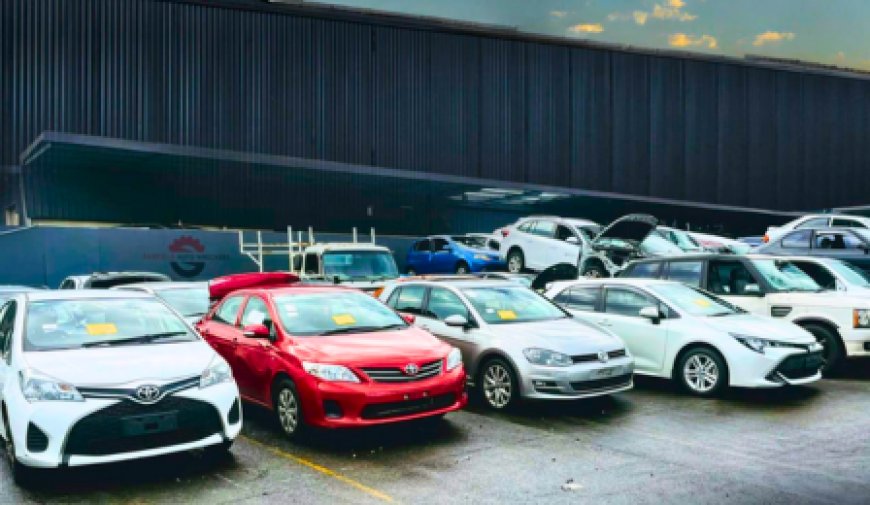
For many people, a scrap yard may seem like the end of the road for an old car. It is where broken or unwanted vehicles go when they are no longer fit to drive. But what actually happens behind those fences once a car enters? The truth is, the process is far more interesting than it appears from the outside.
A car that can no longer be registered or repaired still holds many items that can be reused, repurposed, or sold. From metal to parts and even fluids, nearly every part of the vehicle can be separated and used again. It is not just about crushing a carit is about turning it into something useful.
This blog explains the full journey a car takes after it is sold to a scrap yard. Each stage is outlined clearly so you can understand how everything is handled.https://www.carremovalsydney.com.au/
Step 1: The Initial Inspection
Once a vehicle arrives at a scrap yard, it does not go straight to the crusher. First, a thorough inspection takes place. This includes checking for working parts, noting any damage, and identifying materials that can be recovered.
The workers look at major components like the engine, gearbox, battery, wheels, and interior parts. If any of these items are still in decent shape, they are marked for removal and reuse.
Cars are also checked for ownership details to ensure they are not stolen or under finance.
Step 2: Removing Fluids Safely
Every vehicle has fluids that need to be taken out before dismantling can begin. These include:
-
Engine oil
-
Transmission fluid
-
Brake fluid
-
Coolant
-
Petrol or diesel
-
Air-conditioning gas
Each liquid must be removed carefully to avoid spills and harm to the environment. The fluids are then stored for disposal or recycling. Petrol and diesel, if clean, may be reused in other machines.
According to the Australian Department of Climate Change, removing these fluids helps prevent pollution of land and water, which is a key part of the scrapping process.
Step 3: Dismantling and Sorting
After fluids are drained, the car is moved to the dismantling area. Here, workers remove useful parts such as:
-
Engine
-
Alternator
-
Radiator
-
Catalytic converter
-
Doors and mirrors
-
Seats
-
Lights
-
Electronics
These parts are tested and cleaned before they are placed in storage or listed for resale. Even items like fuses, switches, and interior trims can find new homes.
Not every part will be sold locally. Some are sent overseas to workshops that rebuild or repurpose them.
Step 4: Crushing and Metal Recovery
Once all usable parts are taken out, the empty shell of the car is ready to be crushed. This is often the stage people picture when they think of a scrap yard. The frame is flattened and then sent through a shredder.
Inside the shredder, powerful magnets and machines separate different types of metal:
-
Steel
-
Aluminium
-
Copper
-
Brass
These metals are then sent to foundries where they are melted down and used to make new productsfrom construction beams to drink cans and even parts for new vehicles.
Australia recycles about 90% of the materials in scrapped cars, making this one of the most reused waste streams in the country.
Step 5: Recycling Rubber, Glass, and Plastics
Cars are made of more than just metal. Scrap yards also take care of:
-
Tyres Often shredded and used for roads, sports surfaces, or fuel in industrial plants.
-
Glass Windows and windscreens are crushed and turned into new glass products.
-
Plastic parts Bumpers, dashboards, and trims are sorted by type and sent to recycling centres.
This multi-material recovery helps reduce waste and lowers the need for raw materials. Recycling even a single car helps save energy and reduces landfill.
Where Car Wreckers Sydney Fit In
When someone decides to get rid of a damaged or unwanted car, it can feel like a big task. That is where services like Car Removal Sydney step in. By removing the car from the property and taking it straight to the dismantling team, they help begin the recycling process quickly.
For those searching terms like Car Wreckers Sydney, they are often looking for someone who can handle everything from collection to paperwork. Once the car reaches the yard, the full process unfoldspart by part, piece by piece. Whether the car is running or not, it still plays a part in the larger picture of reuse and recovery.
Why It Matters
Sending a car to a proper scrap yard is more than clearing space in your garage. It is about making sure the materials are not wasted. This method supports the circular economy, where materials are reused instead of thrown away.
A single car contains over a tonne of steel, nearly 100 kilograms of plastic, and about 25 kilograms of rubber. If left to decay, these parts can pollute the environment. If handled the right way, they can be turned into useful products again.
The process also creates jobs in dismantling, transport, sorting, and recycling. It supports local industries and helps reduce import needs for raw materials.
How to Prepare Your Car for Scrapping
If you are thinking about selling your car to a scrap yard, here are some tips to help:
-
Remove personal items and check compartments.
-
Take out your number plates.
-
Cancel your registration with the road authority.
-
Check if you can keep your battery or tyres.
-
Make sure the ownership papers are available.
While not every yard needs the same documents, having them ready makes things easier.
Final Thought
The journey of a car does not end at the scrapyard gate. It continues through the hands of those who know how to make use of every part. From engine parts to tiny sensors, from the steel shell to the rubber tyres, each piece finds its place.
What might look like waste is actually part of a much larger system that turns old cars into fresh materials and useful goods. So, the next time you see a car being towed away, know that it is not just being removedit is being brought back to life in a new form.