












































Cash, Crush, Create: How Old Cars Are Reborn into Something New
Discover how old cars are transformed through recycling and creative reuse. Learn the journey from scrap to purpose, and how Cash for Cars Sydney supports this sustainable process.

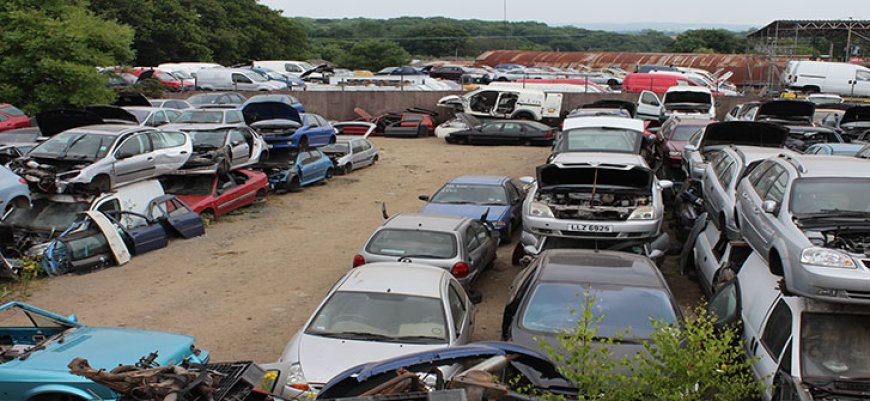
Vehicles do not last forever. Every year, many reach a point where they no longer serve their purpose. But even when they stop running, they do not lose all their worth. Instead of sitting idle or being dumped in landfills, old cars begin a new journeyone that breaks them down, reshapes their materials and gives them new life. This cycle is not just about removing scrap; it is a full process that reuses parts, saves natural resources and even inspires creative projects.
This article walks through the steps of how vehicles are recycled. It looks at real facts and stays focused on how old cars move from the road to new forms. You will also find a section that discusses how a car removal service fits naturally into this processwithout taking the spotlight away from the main topic.https://cashforcarsnsw.com.au/
When a Car Reaches the End
A vehicle becomes unsuitable for use for different reasonsage, mechanical failure, accident damage or changes in ownership. Once a car is no longer being driven, owners need to decide what to do next. In Australia, over 700,000 vehicles are removed from use each year. This is based on data from the Australian Bureau of Statistics.
Leaving a car to rust or dumping it without care causes harm. Fluids can leak into the ground, and metal parts begin to break down. The smarter choice is to let it enter a proper recycling channel. This not only avoids pollution, but it also brings those parts and metals back into use.
First Step: Fluids and Parts Removal
Once the vehicle enters a recycling yard, staff begin by draining all the fluids. These include oil, coolant, petrol, brake fluid and transmission fluid. These liquids cannot be left in the ground. They are collected in storage tanks and are either disposed of or treated for reuse, depending on the type.
Parts with potential use are removed next. This includes engines, gearboxes, wheels, tyres, doors, mirrors, and seats. Some of these are sold directly. Others are tested and repaired before reuse. Many buyers seek these parts for replacement needs or vehicle restoration.
Items like batteries, air-conditioning gases, airbags and electronic modules are also removed separately. These items need different handling to avoid hazards.
Crushing the Shell
Once the useful parts are taken out, the main body of the car remains. This is made mostly from steel, aluminium and other metals. It goes through a compactor or baler, which flattens the car. This reduces its size and makes it easier to transport.
Metal from these car shells is taken to metal shredders. These machines break down the body into small fragments. Large magnets and sorting machines separate different metals like steel and aluminium from plastic and rubber.
More than 80 percent of a car, by weight, can be recycled. This is based on industry findings from the Australian recycling sector. This high recovery rate makes car recycling a major source of scrap metal.
Making New Materials
The sorted metals are melted in large furnaces. They are then shaped into new formsrods, sheets, bars and blocks. These become raw material for buildings, appliances, tools and even new cars.
Using recycled steel saves about 75 percent of the energy required to make steel from raw materials. It also avoids large amounts of greenhouse gas emissions. According to the World Steel Association, every tonne of recycled steel saves around 1.5 tonnes of carbon dioxide emissions.
This makes metal recycling from vehicles an important part of environmental planning. It supports clean industry and reduces the demand for mining.
Creative Reuse and Upcycling
Not everything from an old car is melted. Some parts go on to serve new purposes in their original form. Bonnet covers can become garden tables. Seats can turn into unique lounge chairs. Exhaust pipes, when cleaned, are used by artists in sculpture work. Even dashboards have been turned into display frames.
There is a growing movement of people who use car parts in furniture making and home decoration. This is known as upcycling. It turns scrap into useful or creative items without changing their core material.
Many workshops in Australia now look for discarded car parts to use in art or building projects. This reuse reduces waste while also adding value in new ways.
Connecting the Dots with Local Help
Some vehicle owners are not sure how to begin the recycling process. The car might be old, broken, or not drivable. In such cases, services like Cash for Cars NSW offer an option to remove the car from the property and start the recycling path. They collect old vehicles, handle the paperwork, and pass them on to registered yards. The owner gets cash for the car without needing to arrange transport or dismantling.
For example, if someone searched forBuy My Car Sydney to get rid of an unused vehicle, this service would meet the need. It acts as a link between households and the recycling industry, helping cars move into the next stage of their life. This simple step helps clear space while also feeding useful material back into the economy.
How Recycling Supports the Country
Australia has limited metal resources compared to its land size. Recycling helps reduce imports and makes the country less dependent on overseas materials. It also supports many jobsin collection, dismantling, transport, sorting and remanufacturing.
Vehicle recycling supports cleaner cities too. Cars left to rust can become dangerous. Recycling them prevents pollution, improves land use, and keeps streets clear. Some states have incentives for recycling, such as rebates or lower disposal fees, which also support public interest.
A New Life Beyond the Road
Car parts live long after their road days end. The steel can become beams in a new bridge. The aluminium might appear in a bicycle frame. Even plastic components are reused in making fence posts, bins or piping.
It is a cycle that keeps giving. One vehicle might help build homes, support creative art or fix another car. This chain of reuse shows how nothing needs to be wasted.
Final Thought
Cars are more than machines. Even at the end of their driving life, they hold value. Their parts, metals and shapes can be used again and again. Recycling turns what some see as waste into material that supports homes, jobs and art. It is a cycle that helps the country and the planet.
Letting go of an old car does not mean throwing it away. It means sending it into a new journeyone that begins with a simple step.