




































How to Build a Cloud Kitchen Management App with Advanced AI Features
Learn how to build a cloud kitchen management app with advanced AI features. Boost efficiency with a top cloud kitchen software solution.


Introduction
In today's fast-paced digital economy, Cloud Kitchens are redefining how food businesses operate. With the explosion of online food delivery services, restaurant owners and entrepreneurs are seeking smart, scalable, and cost-effective ways to run their kitchens. Enter the Cloud Kitchen Management App with Advanced AI Features.
Whether you're a Cloud Kitchen Management Software Development Company or a startup looking to invest in this booming industry, understanding how to build a feature-rich, AI-powered platform is essential.
In this detailed guide, we'll break down everything you need to know to build a powerful cloud kitchen app that integrates artificial intelligence, streamlines operations, boosts profits, and offers exceptional customer experience.
What is a Cloud Kitchen?
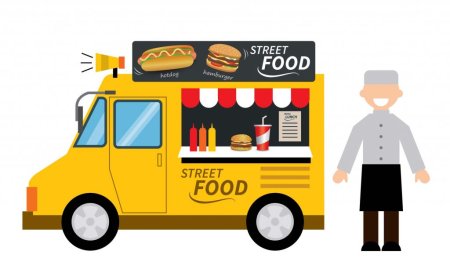
A Cloud Kitchen, also known as a ghost kitchen or dark kitchen, is a delivery-only food business with no physical dine-in space. These kitchens rely entirely on digital platforms for receiving orders and reaching customers. Cloud kitchens are commonly used by restaurants to reduce overhead, reach wider markets, and experiment with multiple brands or cuisines from a single location.
Why Cloud Kitchens are Gaining Popularity
The popularity of cloud kitchens is fueled by several factors:
-
Cost Efficiency: Eliminating dine-in operations reduces rent, maintenance, and staffing expenses.
-
Growing Delivery Culture: With apps like Uber Eats, Deliveroo, and Zomato gaining traction, more customers prefer food delivery over eating out.
-
Brand Flexibility: One kitchen can host multiple brands or menus targeting different audiences.
-
Data-Driven Decisions: Orders are routed through digital systems, allowing real-time performance tracking.
This model is especially booming in urban centers and tech-forward regions such as Cloud Kitchens in UK.
The Role of AI in Cloud Kitchen Management
AI transforms cloud kitchen management from reactive to predictive. It allows restaurants to automate operations, cut costs, and enhance customer experience.
AI functions include:
-
Demand Forecasting: Predict which dishes will sell and when.
-
Order Automation: Smart systems reduce manual input errors.
-
Personalized Menus: Use machine learning to tailor options to customer preferences.
-
Smart Routing: AI can calculate the fastest delivery routes to minimize delays.
These features are essential for any top-tier Cloud Kitchen Management Software Development Company.
Benefits of Building a Cloud Kitchen App
Creating a proprietary app allows brands to:
-
Control Branding: Customize the user experience and brand identity.
-
Access Real-Time Data: Track order trends, customer behavior, and kitchen performance.
-
Reduce Dependency: Avoid high commissions from third-party apps.
-
Boost Engagement: Use push notifications, loyalty rewards, and AI-powered offers.
Understanding the Core Features of a Cloud Kitchen App
To ensure operational efficiency, your app should include:
-
Customer Module: For browsing menus, placing orders, and providing feedback.
-
Admin Dashboard: To monitor sales, manage inventory, and track performance.
-
Kitchen Interface: Displays incoming orders, preparation timers, and priority flags.
-
Delivery Interface: Assigns drivers, suggests optimized routes, and tracks order completion.
Must-Have AI Features in Cloud Kitchen Software
Modern cloud kitchens thrive on automation. Heres what to include:
-
AI Chatbots: Handle FAQs, resolve complaints, and assist in ordering.
-
Predictive Stocking: Analyze past trends to predict future inventory needs.
-
Customer Analytics: Understand behaviors to serve better offers and menus.
-
Dynamic Pricing: Adjust costs during high demand periods.
-
Operational Automation: AI can allocate kitchen resources based on peak times.
Steps to Build a Cloud Kitchen Management App
-
Market Research: Identify your competitors, niche, and target demographics.
-
Feature List Creation: Define critical and optional functionalities.
-
Wireframing: Create layouts and workflows to visualize the user experience.
-
Tech Stack Selection: Choose tools suitable for scalability and AI integrations.
-
Development: Start with an MVP and expand features iteratively.
-
Testing: Test for security, speed, and functionality across all user roles.
-
Deployment: Launch on cloud servers and app stores.
-
Maintenance: Keep improving based on customer feedback and data insights.
Choosing the Right Tech Stack
Choosing technologies that are scalable, secure, and AI-compatible is essential.
Tech recommendations:
-
Frontend: React Native (for cross-platform mobile apps)
-
Backend: Node.js (for lightweight performance), Django (if Python is preferred for AI)
-
AI Tools: TensorFlow, PyTorch, Scikit-learn
-
Database: MongoDB (flexibility), PostgreSQL (for structured data)
-
Cloud: AWS, Azure, or Google Cloud
Backend Architecture for Scalability
Use microservices for independent feature deployment. Benefits include:
-
Easy updates
-
Load balancing
-
Fault tolerance
-
Independent scaling of services like order management or analytics
This is critical for growing cloud kitchen brands operating across multiple cities or countries.
Frontend UI/UX Considerations
An effective UI helps users:
-
Find dishes quickly
-
Complete orders with minimal steps
-
Track deliveries in real-time
Focus on:
-
Minimalist design
-
One-click checkout
-
Accessibility (voice input, readable fonts)
-
Multilingual support for regional expansion
Integration with Delivery Platforms
Integrate with third-party services such as:
-
Uber Eats
-
Deliveroo
-
JustEat
Especially in Cloud Kitchens in UK, third-party delivery apps dominate. Having native and third-party integrations boosts order flow and reach.
Real-Time Analytics and Reporting with AI
AI dashboards help you monitor key metrics:
-
Top-performing menu items
-
Average delivery time
-
Return customer rate
-
Seasonal trends
Use this data for:
-
Stock planning
-
Hiring decisions
-
Launching new promotions
Compliance and Security Standards
Must-have compliance features:
-
GDPR: Required for EU and UK users
-
PCI DSS: For secure payment processing
-
SSL Encryption: Protects user data
-
Role-Based Access Control: Secures admin and kitchen functions
Importance of Cloud Infrastructure
Cloud services provide:
-
Elastic scaling during peak times
-
Data redundancy and backups
-
Auto-patching and maintenance
Choose providers that offer global CDN and uptime guarantees.
Cost of Developing a Cloud Kitchen App
Typical costs include:
-
Design & UI/UX: $5,000 $10,000
-
Development: $15,000 $70,000 (based on features)
-
AI Integration: $10,000 $40,000
-
Annual Maintenance: 15% of total build cost
Cloud Kitchens in UK: Market Outlook
The UK has embraced digital-first dining post-pandemic. Cloud kitchens are exploding in cities like London, Manchester, and Birmingham. UK consumers are tech-savvy and prefer convenience, making AI-driven platforms a necessity.
Opportunities:
-
Partnering with local food delivery platforms
-
Offering diet-based personalization
-
Complying with UK health regulations
For any Cloud Kitchen Management Software Development Company, the UK market offers lucrative opportunities.
How to Choose the Right Development Partner
Choose a vendor with:
-
Proven experience in food delivery solutions
-
AI and ML expertise
-
Knowledge of UK and GDPR regulations
-
Transparent pricing and scalable models
Frequently Asked Questions (FAQs)
Q1: What is the average time to build a cloud kitchen management app?
A: Typically, 3 to 6 months depending on features and integrations.
Q2: Do I need to integrate with third-party delivery apps?
A: Not necessarily, but doing so can increase your market reach.
Q3: How can AI help reduce food waste in cloud kitchens?
A: AI predicts demand accurately, ensuring you stock just what you need.
Q4: Is it expensive to build AI-powered features?
A: Advanced features increase development costs but deliver long-term ROI.
Q5: Can I manage multiple kitchen brands from one app?
A: Yes, a good software platform allows for multi-brand and multi-location management.
Conclusion
Building a Cloud Kitchen Management App with Advanced AI Features isnt just about staying trendy its about future-proofing your food business. With the rise of Cloud Kitchens in UK and beyond, now is the perfect time to invest in AI-driven kitchen technology.
Whether you're an entrepreneur or a Cloud Kitchen Management Software Development Company, mastering AI integration will set you apart. Smart, scalable, and built for tomorrow thats the recipe for success.