















































From Stitch to Print: Your Guide to Custom T-Shirts
Explore the complete process of custom T-shirt making—from fabric and fit to printing techniques, quality checks, and local printing options in Chennai.

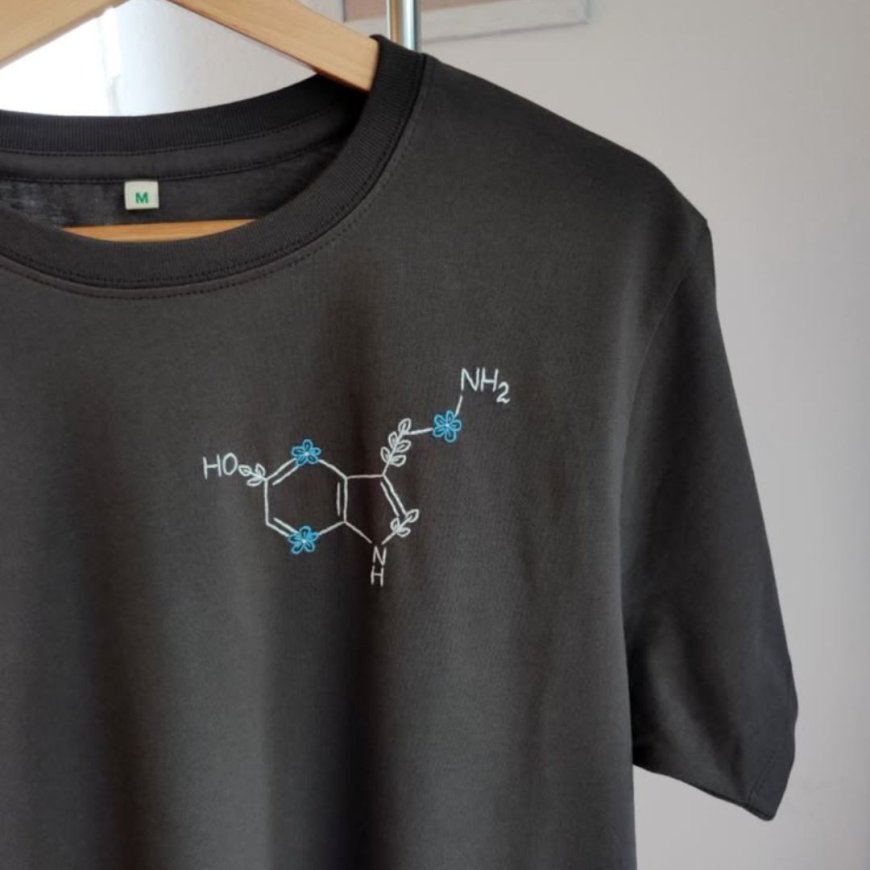
Custom T-shirts have become more than just casual wear. Today, theyre a powerful way to express identity, promote a brand, or even start a fashion trend. Whether its a personal design, a company logo, or a unique message, creating a custom T-shirt involves creativity, planning, and the right process. In cities like Chennai, many choose T-shirt printing in Chennai near me to bring their ideas to life quickly and professionally. In this guide, well take you through the journey from the first stitch to the final printmaking it easy for anyone to understand how a simple idea transforms into a wearable piece of art.
The Popularity of Custom T-Shirts
In todays world, people are always looking for new ways to stand out. T-shirts are the perfect canvas for creativity. They are affordable, comfortable, and versatile. From college events and corporate uniforms to birthday gifts and startup branding, custom T-shirts fit every purpose. And the best part? You dont have to be a professional designer to create one. All you need is an idea and a basic understanding of the process.
Step 1: Choosing the Right Fabric
Every great T-shirt starts with the right fabric. This is the foundation for comfort, durability, and style. Common fabrics include:
-
Cotton: Soft, breathable, and perfect for everyday wear.
-
Polyester: Strong, wrinkle-resistant, and great for sportswear.
-
Blended fabrics: A mix of cotton and polyester combines the best of both.
The fabric you choose will depend on the purpose of the T-shirt. For example, a promotional shirt might use a budget-friendly fabric, while a fashion piece may go for premium cotton.
Step 2: Selecting the Perfect Fit and Style
T-shirts come in different styles such as round neck, V-neck, polo, sleeveless, oversized, and slim fit. Each has its own purpose and appeal. A unisex round-neck tee might work well for mass events, while a fitted tee could be better for retail fashion. Size range is another factoralways ensure that your design is available in multiple sizes for a better fit and broader appeal.
Step 3: Planning the Design
Now comes the most exciting part: the design. Your T-shirts design is what makes it stand out. Here are a few points to consider:
-
Keep it simple: Bold, minimal designs often leave a stronger impact.
-
Use colors wisely: Choose a palette that compliments your fabric and appeals to your audience.
-
Think about placement: Design elements can go on the front, back, sleeves, or even all over.
-
Clarity matters: Ensure any text is readable and images are sharp.
If you're planning multiple designs, keep them consistent with your brand or message.
Step 4: Understanding Printing Techniques
Printing brings your design to life. There are several methods to do this:
-
Screen Printing: Ideal for large batches and bold designs. It offers long-lasting results.
-
Heat Transfer Printing: Works well for complex, colorful designs and small orders.
-
Direct-to-Garment (DTG): Prints directly onto fabric using inkjet technology. Good for detailed and photo-quality prints.
-
Embroidery: Though not printing, it's a popular option for logos and premium branding, especially on polos and uniforms.
Each method has its own look, feel, and cost. The best choice depends on your budget, fabric type, and design complexity.
Step 5: Working with T-Shirt Printers
Once your fabric, style, and design are finalized, its time to bring your T-shirt to life. A reliable printing facility plays a huge role here. If youre getting your T-shirt printed locally, it helps to choose experienced professionals who can guide you through samples, timelines, and quality checks.
For consistent quality and dependable service, many businesses turn to T-shirt printers in Chennai. With experienced teams, modern equipment, and an eye for detail, local printers can bring any idea to life in no time.
Step 6: Quality Control and Finishing Touches
Before sending your T-shirts out into the world, its important to check for quality. Look for:
-
Print alignment
-
Color accuracy
-
Fabric damage
-
Stitching issues
-
Correct sizes
Also, finishing touches like labeling, folding, and packaging add valueespecially if you're selling the shirts or using them for promotions. A neat finish creates a better impression.
Step 7: T-Shirt Manufacturing for Bigger Projects
If youre planning to launch your own clothing line or brand, working with a large-scale manufacturer can be helpful. Unlike basic printing services, manufacturers handle bulk orders, ensure consistency, and manage everything from fabric sourcing to delivery. This is especially useful when you want to scale your business and maintain quality at the same time.
Professional manufacturers also offer custom labeling, fabric treatments, and design assistancehelping turn your concept into a market-ready product.
Why Custom T-Shirts Work for Everyone
Whether you're an artist, entrepreneur, student, or business owner, custom T-shirts offer endless benefits. They are simple to make, easy to distribute, and impactful in delivery. You can wear them, gift them, sell them, or even use them as a voice for your message. With thoughtful design and the right process, a T-shirt becomes much more than clothingit becomes a statement.
Final Thoughts
From stitching the base to printing the design, creating custom T-shirts is a journey that blends imagination, technique, and attention to detail. Its not just about fabric and inkits about telling your story in a stylish, wearable form. Whether you're printing a single piece or manufacturing in bulk, the process remains exciting and rewarding.
So next time you think about wearing something unique, why not make it yourself? From stitch to print, your perfect T-shirt is just a few steps away.