





















































Gabapentin 800 mg vs 300 mg: Key Differences in Treating Seizures & Pain
Gabapentin 800 mg vs 300 mg: Learn the key differences in dosage, effectiveness, and usage for treating seizures, nerve pain, and other conditions.

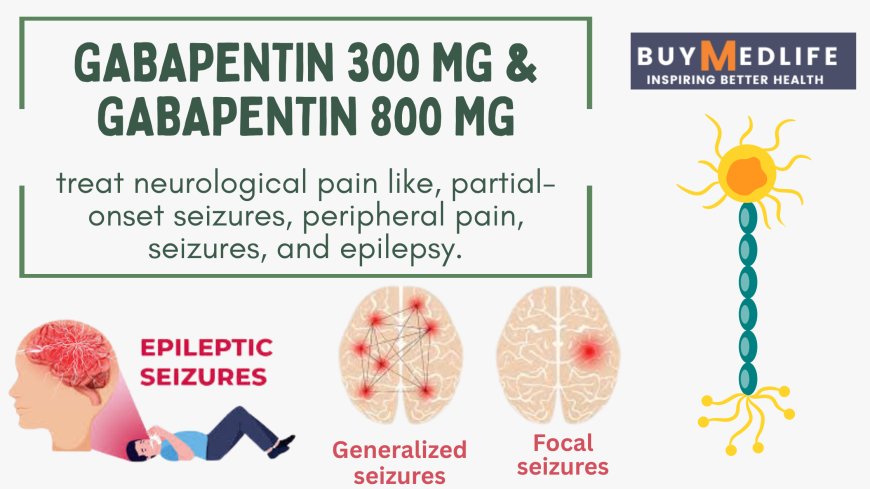
Gabapentin is a widely prescribed medication known for its effectiveness in treating nerve pain and seizure disorders. It is available in multiple dosages, with Gabapentin 300 mg and Gabapentin 800 mg being two of the most commonly used strengths. Understanding the differences between these two dosages can help patients and healthcare providers determine the right option based on the severity of symptoms and individual needs.
In this article, well break down the key differences between Gabapentin 800 mg and Gabapentin 300 mg, their uses, side effects, and how theyre prescribed for specific conditions.
What Is Gabapentin?
Gabapentin is an anticonvulsant and nerve pain medication. Its often prescribed under brand names like Neurontin or Gralise. While it was initially developed to manage epilepsy, its ability to relieve neuropathic pain has made it popular for treating conditions such as:
-
Peripheral neuropathy
-
Postherpetic neuralgia (pain after shingles)
-
Diabetic nerve pain
-
Fibromyalgia
-
Partial seizures (as adjunct therapy)
Gabapentin works by affecting certain chemicals and nerves in the body involved in seizures and pain.
Gabapentin 300 mg: When and Why Its Used
Gabapentin 300 mg is often prescribed as a starting dose for new patients. Doctors typically recommend this lower strength for:
-
Mild to moderate nerve pain
-
Initial treatment of partial seizures
-
Patients who are more sensitive to medications
-
Elderly patients or those with reduced kidney function
Its common for treatment to begin with Gabapentin 300 mg taken once or twice a day, then gradually increased based on the patients response and tolerance. This slow titration helps minimize side effects such as dizziness or drowsiness.
Benefits of Gabapentin 300 mg:
-
Lower risk of side effects
-
Good starting point for dose adjustment
-
Ideal for mild cases or sensitive individuals
Gabapentin 800 mg: A Higher Dose for Severe Symptoms
Gabapentin 800 mg is typically prescribed when lower doses arent effective in controlling symptoms. This higher dose is used for:
-
Severe or chronic neuropathic pain
-
More frequent or intense seizures
-
Patients who have built a tolerance to lower doses
Gabapentin 800 mg is usually taken multiple times a day, depending on the prescribed regimen. While it offers stronger symptom control, it may also carry a higher risk of side effects.
Benefits of Gabapentin 800 mg:
-
Effective for more severe pain or seizures
-
Useful in long-term management of chronic conditions
-
Can reduce the need for additional medications
Comparing Gabapentin 300 mg vs 800 mg
| Feature | Gabapentin 300 mg | Gabapentin 800 mg |
|---|---|---|
| Primary Use | Initial dose for pain or seizures | Higher dose for severe symptoms |
| Ideal For | Mild to moderate conditions | Moderate to severe conditions |
| Side Effects (Common) | Mild dizziness, fatigue | Drowsiness, blurred vision, nausea |
| Titration Needed? | Yes, start low and go slow | Usually after starting from lower doses |
| Administration | 1-3 times daily | 2-3 times daily |
Side Effects and Tolerability
Both Gabapentin 300 mg and 800 mg have a similar side effect profile, but higher doses may increase the intensity of adverse effects. Common side effects include:
-
Drowsiness
-
Dizziness
-
Coordination problems
-
Swelling in the extremities
Its important to follow a doctors titration plan to reduce side effect risks. Patients taking Gabapentin 800 mg should be especially cautious when operating machinery or driving, as drowsiness may be more pronounced.
Which Dose Is Right for You?
The choice between Gabapentin 300 mg and Gabapentin 800 mg depends on your medical condition, symptom severity, response to initial treatment, and overall health status.
Doctors often start with Gabapentin 300 mg, observe how the patient reacts, then gradually increase the dose if needed. Jumping directly to Gabapentin 800 mg is rare unless symptoms are intense or unresponsive to lower strengths.
Conclusion
Gabapentin is a versatile drug that provides relief from seizures and nerve-related pain. While Gabapentin 300 mg is ideal for initiating treatment and managing mild symptoms, Gabapentin 800 mg offers stronger relief for more persistent or severe conditions.
Always consult your healthcare provider to determine the right dosage for your needs. Whether youre managing epilepsy or chronic nerve pain, finding the right strength of Gabapentin can make all the difference in your quality of life.