









































How AI Delivers Real-Time Mental Health Support
Discover how AI delivers real-time mental health support at work—helping employees manage stress, anxiety, and burnout anytime, anywhere.

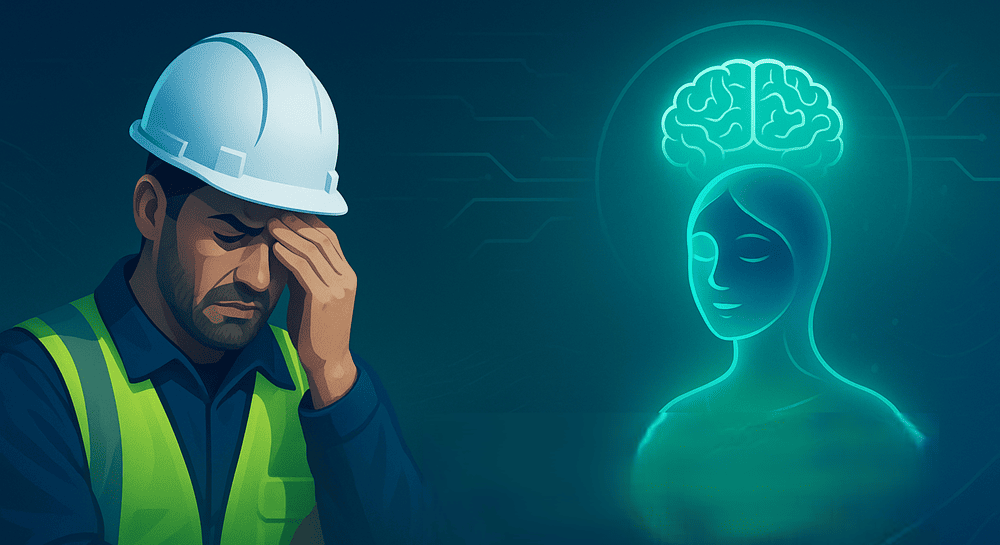
In todays fast-paced work environment, stress levels are rising and mental health concerns are becoming more visible than ever. From missed deadlines to absenteeism and burnout, poor mental well-being has tangible effects on both employees and organizations.
One promising solution that's emerging isreal-time mental health support powered by AI. By offering timely responses, personalized guidance, and 24/7 access, AI is changing the way companies care for their workforces mental well-being.
Why Real-Time Mental Health Support Matters
In traditional settings, mental health support often involves scheduled therapy sessions or reactive policies. But challenges dont wait. When someone experiences a panic attack at work or struggles to cope with anxiety during a meeting, they need help right awaynot days later.
Thats where AI steps in.
Real-time mental health support allows employees to access immediate help, whether it's through a chatbot, voice assistant, or app-based interface. It doesnt replace human professionals, but it bridges the gap between moments of need and access to care.
"71% of employees report that workplace stress affects their personal lives. Real-time AI tools are helping organizations cut down on stress-related absenteeism by as much as 30%." American Psychological Association
What Is Real-Time Mental Health Support?
Simply put, its instant access to mental wellness tools and coping strategies through digital platforms. This includes:
-
Chatbots offering calming exercises
-
AI-powered check-ins to monitor mood
-
Real-time alerts for rising stress levels based on biometric or behavioral data
-
Personalized suggestions based on emotional patterns
When we talk about AI for mental health support, we refer to tools that use algorithms and machine learning to understand a persons mental state and provide relevant help, right when its needed.
How AI Makes Real-Time Support Possible
Heres how AI delivers on-demand mental health care in real-world scenarios:
1. Sentiment Analysis in Conversations
AI chatbots can interpret tone, word choice, and even typing speed to detect signs of stress or emotional strain. If an employee types, I cant handle this anymore, the system knows its time to offer breathing exercises, recommend a break, or escalate to a human counselor.
2. Monitoring Through Wearables and Apps
Many platforms connect with smartwatches or productivity tools. If a workers heart rate spikes or they skip multiple meetings, AI tools may suggest guided meditation or trigger an emotional check-in.
3. Natural Language Processing (NLP)
NLP allows AI tools to understand open-ended responses. If someone mentions feeling "off" or "overwhelmed," the system can interpret this and provide appropriate suggestions.
4. Behavioral Pattern Recognition
Over time, AI platforms learn individual patternslike an employee being more withdrawn during certain projects. These insights help tailor timely interventions.
Benefits for Workplace Leaders
Business leaders and HR managers are embracing AI for its proactive approach. Heres why:
-
Instant Scalability: One AI tool can support hundreds of employees at once.
-
Always Available: Unlike human therapists, AI platforms work 24/7.
-
Non-Judgmental Interaction: Employees often feel more comfortable sharing feelings with digital agents.
-
Data-Driven Insights: Employers receive anonymized reports to improve workplace culture.
Use Case: AI for Social Anxiety in the Workplace
Lets say a marketing executive struggles with social anxiety. Presenting in meetings makes them nervous, affecting their performance. With AI support:
-
They receive daily check-ins to prepare emotionally.
-
The system offers short relaxation exercises before high-pressure events.
-
Over time, their anxiety scores decrease as AI tools reinforce confidence-building habits.
This example shows how AI for social anxiety is becoming more than a conceptits a practical tool that helps employees thrive.
Table: Real-Time AI Support vs Traditional Support
|
Feature |
Real-Time AI Support |
Traditional Mental Health Support |
|
Availability |
24/7 access |
Scheduled hours only |
|
Response Time |
Instant |
Can take days or weeks |
|
Personalization |
High (adaptive algorithms) |
Moderate (depends on session history) |
|
Cost Efficiency |
Low cost per user |
High, especially with private therapists |
|
Stigma Barrier |
Low (anonymous) |
Medium to high |
Tips for Integrating AI Mental Health Tools at Work
-
Start with Pilot Programs: Let small teams try the tool before a full rollout.
-
Ensure Data Privacy: Choose vendors that follow HIPAA and GDPR standards.
-
Educate the Team: Explain how the tool works and the benefits of using it.
-
Offer Human Backup: AI isnt a replacementhave mental health professionals on standby.
Common Questions from Leaders
-
Is AI therapy effective? Its not a replacement for licensed professionals, but its excellent for daily support.
-
Will employees actually use it? Adoption improves with trust, ease of use, and a supportive culture.
-
Can it handle serious cases? For emergencies, most tools escalate to human therapists or crisis lines.
Final Thoughts
Real-time mental health support is no longer just a futuristic ideaits becoming the new norm in progressive workplaces. By offering employees timely help when they need it most, companies not only improve individual wellbeing but also strengthen their overall culture and productivity.
The smartest move todays leaders can make? Explore how AI tools can provide continuous, compassionate, and convenient support for your teams mental health.