How to Make Professional-Sounding Beats in Any DAW
Master the art of beat-making in any DAW with step-by-step tips on drums, melodies, mixing, and arrangement to create professional-quality music.

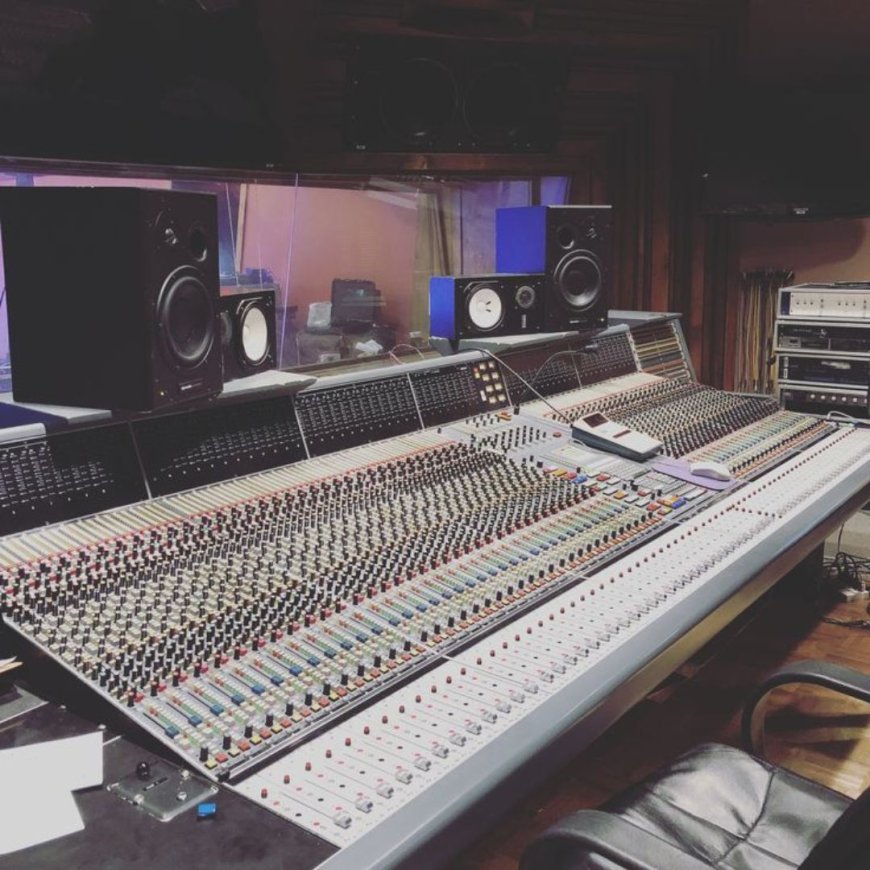
Creating professional-sounding beats might seem like a complex art, but with the right approach and a clear understanding of your Digital Audio Workstation (DAW), anyone can craft quality beats. Whether you're just starting out or looking to enhance your beat-making skills, this guide will take you through the essential steps to make your tracks sound polished and industry-ready all within any DAW you choose.
For many beginners exploring music production, enrolling in music production courses in Bangalore has helped them understand how to use a DAW effectively. These courses offer foundational knowledge that can speed up your workflow and give you creative direction. But even without formal training, consistent practice and attention to detail can lead you to create beats that sound professional.
1. Understand the Power of Your DAW
Your DAW is the core tool for beat-making. Regardless of whether youre using FL Studio, Ableton Live, Logic Pro, Cubase, or any other software, the process remains similar. Learn your DAWs layout and capabilities. Explore its drum racks, piano roll, sampler, and mixer. Familiarity with tools such as EQ, compressors, and reverb inside your DAW will go a long way in shaping your sound.
2. Start With a Solid Drum Pattern
The heartbeat of any beat lies in its drum pattern. A professional beat typically begins with a clean kick and snare rhythm. Start by laying down a basic pattern:
-
Kick: Place your kick on beats 1 and 3 (or tweak for more bounce).
-
Snare: Place the snare on beats 2 and 4.
-
Hi-Hats: Add closed hi-hats between the kicks and snares to bring movement.
Once youve established this foundation, experiment with percussion layers like open hats, shakers, or claps to add flavor.
3. Layer Sounds for Fullness
One simple drum sound might feel empty on its own. Layering is key to achieving depth:
-
Kick: Use one kick for body and another for click/punch.
-
Snare/Clap: Combine two snares or a snare with a clap for richness.
-
Hi-Hats: Layer hi-hats with slight pitch and timing differences for a natural groove.
Make sure to blend them using volume and EQ to avoid clashing frequencies.
4. Create Catchy Melodies or Chords
Once your drums are laid out, melodies bring the emotional tone to your beat. You dont need to be a trained musician to make good melodies:
-
Use the piano roll to draw notes.
-
Stick to a simple scale like C minor or A minor for moody vibes.
-
Try repeating short, catchy phrases.
-
Use synths, keys, or plucks that match the mood of your beat.
Layering chords and counter-melodies will also give your beat more dimension.
5. Use 808s or Basslines Properly
A strong low-end can take your beat from average to booming. 808s are popular in modern beats and can serve both as bass and rhythm. Here are a few tips:
-
Tune your 808 to match your melodys key.
-
Make sure the 808 doesnt clash with the kick.
-
Use sidechain compression or adjust volume to make space between the kick and 808.
-
Consider using a simple bass guitar or synth bass for more melodic genres.
6. Arrange Your Beat With Purpose
Arrangement turns your loop into a song. A basic beat structure could look like:
-
Intro (48 bars)
-
Verse (816 bars)
-
Chorus/Hook (816 bars)
-
Bridge/Breakdown (optional)
-
Outro (48 bars)
Create tension and release by bringing instruments in and out. For example, start the verse with just drums and bass, then add melody layers gradually in the hook.
7. Mixing: Make Everything Sit Right
Mixing is the secret sauce. Heres how to mix your beat professionally, even if you're new:
-
Volume balance: Ensure no sound is too loud or buried.
-
EQ: Cut unnecessary low frequencies from non-bass sounds to reduce muddiness.
-
Compression: Use compression on drums and other instruments to maintain consistency.
-
Reverb and Delay: Apply effects subtly to add depth and space.
-
Panning: Move some elements slightly left or right to avoid overcrowding in the center.
Dont overdo it. The goal is clarity and balance.
8. Use Automation for Dynamics
Automation helps your beat come alive. Automate:
-
Volume fades for transitions.
-
Filter sweeps to build tension.
-
Reverb or delay to emphasize a phrase or vocal space.
This keeps the beat engaging and dynamic instead of static.
9. Keep Your Beat Clean and Uncluttered
Its easy to get carried away adding sounds. But sometimes less is more. A clean mix with only the necessary elements often sounds more professional than an overcrowded one. Before finalizing:
-
Mute unnecessary layers.
-
Solo instruments to check their individual roles.
-
Ask yourself: does each sound add something important?
10. Trust Your Ears and Take Breaks
One of the most overlooked tricks is resting your ears. After working on a beat for an hour or more, things can start to sound either too good or too dull. Take short breaks, come back, and listen with fresh ears. Youll notice things that need fixing.
Also, play your beat through different speakers headphones, laptop, car speakers to see how it translates. A truly professional-sounding beat should feel good on every system.
11. Final Touch: Export Settings Matter
When youre happy with the mix, its time to export:
-
Export in WAV or high-quality MP3.
-
Use 24-bit for best audio quality if available.
-
Normalize if needed to boost overall loudness, but avoid clipping.
These small decisions affect how professional your beat sounds when someone else plays it.
Conclusion
Making professional-sounding beats doesnt require expensive gear or complicated software. With any DAW, a clear understanding of beat structure, layering, arrangement, and mixing can help you create beats that sound clean, polished, and ready for listeners. If youre in South India, many aspiring artists have found inspiration through music production courses in Chennai, helping them take their production to the next level. But wherever you are, stay consistent, trust your creativity, and always look to improve. Over time, your unique style will shine through every beat you make.