
















































How to Tour California State Indian Museum
How to Tour California State Indian Museum The California State Indian Museum, located in Sacramento, is more than a collection of artifacts—it is a living narrative of over 100 Native American tribes whose histories, cultures, and traditions have shaped the identity of the Golden State. For visitors seeking an authentic, respectful, and deeply educational experience, touring this museum requires

How to Tour California State Indian Museum
The California State Indian Museum, located in Sacramento, is more than a collection of artifactsit is a living narrative of over 100 Native American tribes whose histories, cultures, and traditions have shaped the identity of the Golden State. For visitors seeking an authentic, respectful, and deeply educational experience, touring this museum requires more than a casual walk through exhibits. It demands intentionality, cultural awareness, and a commitment to understanding Indigenous perspectives on their own heritage. This comprehensive guide walks you through every phase of planning and experiencing a meaningful visit to the California State Indian Museum, from pre-visit preparation to post-visit reflection. Whether you're a history enthusiast, a educator, a parent, or a traveler interested in Indigenous cultures, this guide will empower you to engage with the museum in a way that honors its mission and the communities it represents.
Step-by-Step Guide
Step 1: Research the Museums Mission and Ethical Framework
Before setting foot in the museum, take time to understand its foundational principles. The California State Indian Museum operates under a philosophy of self-representationNative communities are not just subjects of display but active collaborators in curation, interpretation, and storytelling. The museums mission is rooted in preserving and presenting the living cultures of Californias Indigenous peoples, not as relics of the past, but as vibrant, evolving societies.
Visit the official website of the California State Indian Museum and read their About section, mission statement, and any public statements regarding cultural sovereignty. Familiarize yourself with key terms like cultural appropriation, repatriation, and Indigenous self-determination. This background knowledge will help you interpret exhibits with greater sensitivity and context.
Step 2: Plan Your Visit Around Special Events and Programming
One of the most impactful ways to experience the museum is during a special event. The museum regularly hosts Native artist demonstrations, traditional dance performances, storytelling circles, and seasonal ceremonies. These events are often led by tribal elders, cultural practitioners, and community members who bring authenticity and depth to the experience.
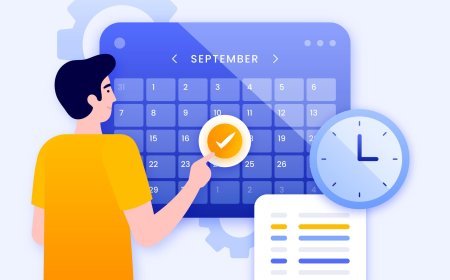
Check the museums online calendar at least two weeks in advance. Events like the annual California Indian Heritage Day in September or Native American Heritage Month activities in November offer immersive opportunities rarely available during regular hours. Register for free tickets if requiredmany events are limited to ensure respectful participation.
Step 3: Schedule Your Visit During Off-Peak Hours
To maximize your engagement with exhibits and minimize distractions, plan your visit during weekdays, preferably in the morning. Weekends and holidays often bring larger crowds, making it difficult to read labels, view delicate artifacts, or reflect quietly. The museum is typically least crowded on Tuesday and Wednesday mornings between 10 a.m. and 12 p.m.
Arriving early also gives you the advantage of speaking with museum staff before they become overwhelmed with questions. Staff members are often trained in cultural protocols and can offer personalized insights or point you toward lesser-known exhibits.
Step 4: Prepare Visually and Emotionally
Many exhibits contain sacred objects, ancestral remains, or ceremonial items that are not meant for casual viewing. The museum follows strict ethical guidelines regarding the display of such materials, often providing content warnings or contextual explanations. Before entering, mentally prepare yourself for emotionally powerful contentsome displays recount colonization, forced removals, and cultural suppression.
Consider bringing a notebook or journal. Writing down your thoughts, questions, or emotional responses can deepen your learning and help you process the weight of what youre witnessing. Avoid taking photographs of sensitive items unless explicitly permitted. Many tribes prohibit photography of ceremonial objects, even if the museum does not enforce itrespect is more important than documentation.
Step 5: Begin Your Tour at the Welcome Area
Upon entering, pause at the welcome desk or orientation kiosk. Staff may offer a printed map or digital guide. Ask if there are any current temporary exhibitions or guided tours available. Even if you dont join a guided tour, the orientation materials often include tribal-specific information, pronunciation guides for Native language terms, and suggested itineraries based on your interests.
Take note of the land acknowledgment displayed prominently near the entrance. It honors the Nisenan, Maidu, and other local tribes as the original stewards of the land where the museum stands. Recognizing this is not performativeit is a foundational act of respect.
Step 6: Follow the Thematic Flow of the Permanent Exhibits
The museums permanent galleries are arranged thematically, not chronologically. This intentional design reflects Indigenous worldviews that often emphasize interconnectedness over linear progression. Begin with the Origins and Diversity gallery, which showcases the vast cultural and linguistic variety among Californias 100+ tribes.
Next, move to Daily Life, where youll find tools, clothing, baskets, and food preparation items crafted with extraordinary skill. Pay close attention to the basketry exhibitsCalifornia Indigenous basket weaving is internationally recognized for its complexity and beauty. Look for labels that identify the specific tribe and weaver when possible.
Continue to Spirituality and Ceremony, where sacred objects are displayed with care and context. Avoid making assumptions about their use. Many items are not art in the Western sensethey are living entities with spiritual significance. Read the interpretive panels carefully. They often include direct quotes from tribal members explaining the meaning behind the objects.
Conclude with Resistance and Resilience, a powerful section that documents the survival and revitalization of Native cultures despite centuries of oppression. Here, youll encounter contemporary art, language revival projects, and legal battles for land and treaty rights. This section is crucialit shifts the narrative from vanished peoples to enduring nations.
Step 7: Engage with Interactive and Digital Components
The museum integrates multimedia elements to enhance accessibility and depth. Look for touchscreen kiosks that allow you to hear oral histories in Native languages, view archival photographs, or explore 3D scans of artifacts. Some stations include interviews with tribal historians, educators, and youth activists.
Dont skip the audio guides. Available for free at the front desk, they feature narration by Native voicesnot academic outsiders. These recordings often reveal nuances missed in printed labels. If youre visiting with children, ask for the family-friendly audio tour, which simplifies complex topics without diluting their truth.
Step 8: Visit the Gift Shop with Intention
The museums gift shop is not a typical tourist outletit is a curated marketplace supporting Native artists and tribal enterprises. Items include handmade jewelry, pottery, textiles, books by Indigenous authors, and educational materials produced in collaboration with tribal communities.
Before purchasing, read the tags. Authentic items will list the artists name, tribal affiliation, and sometimes a story about the pieces creation. Avoid souvenirs labeled Native-inspired or tribal stylethese are often mass-produced imitations that exploit cultural symbols. Supporting genuine Native creators is an act of economic justice and cultural preservation.
Step 9: Reflect and Document Your Experience
Before leaving, spend at least 15 minutes in the quiet reflection area near the exit. This space, often furnished with cushions and natural lighting, is designed for visitors to process what theyve learned. Journaling here can help solidify insights and emotional responses.
Consider writing down three things you learned, two questions you still have, and one action you might takewhether its reading a book by a Native author, supporting a tribal cause, or correcting a misconception you once held.
Step 10: Share Your Experience Responsibly
When you return home, share your experiencebut do so with care. Avoid posting photos of sacred items on social media. Instead, write about the museums educational value, the importance of Indigenous self-representation, and the need to support Native-led institutions.
Recommend the museum to friends, educators, or community groups. If youre a teacher, consider developing a lesson plan based on your visit. If youre a blogger or content creator, write a thoughtful review that highlights the museums ethical practices. Your voice can help elevate the museums mission beyond its walls.
Best Practices
Practice Cultural Humility
Cultural humility is the ongoing practice of recognizing that you do not fully understand another culture and that you must listen more than you speak. At the museum, this means resisting the urge to interpret artifacts through a Western lens. Instead, ask: What does this object mean to the people who made it? and How would they want it to be understood today?
Do not assume that all Native cultures are the same. California alone is home to dozens of distinct language families, spiritual traditions, and social structures. Avoid generalizations like Native Americans believe or Indians used Always specify the tribe or region when possible.
Respect Sacred Spaces
Some areas of the museum may be designated as sacred or restricted. These are often marked with signs or subtle visual cues, such as lowered lighting or the absence of labels. Do not enter these spaces unless invited. If youre unsure, ask a staff member discreetly. Their guidance is not about restrictionits about protection.
Never touch artifacts, even if they appear to be behind glass. Oils from your skin can damage centuries-old materials. Even the act of leaning too close can be perceived as intrusive. Maintain a respectful distance and let the objects speak for themselves.
Use Appropriate Language
Language shapes perception. Avoid outdated or offensive terms like Indian, tribe, or primitive. While tribe is sometimes used by the museum for administrative clarity, preferred terms include nation, people, or community. When referring to individuals, use Native American, American Indian, or the specific tribal name (e.g., Yurok, Chumash, Ohlone).
When in doubt, follow the language used by the museums own materials. They are guided by tribal advisory councils and use terminology approved by the communities represented.
Support Indigenous Voices, Not Just Institutions
While the museum is a vital institution, it is not the only source of Indigenous knowledge. After your visit, seek out books, podcasts, films, and websites created by Native authors and producers. Recommended resources include the Native American Rights Fund, the National Indian Education Association, and tribal websites such as the Maidu Consortium or the California Indian Museum and Cultural Center.
Amplify Native voices in your own circles. If you hear someone misrepresenting Indigenous history, gently correct them with facts and resources. Education is a collective responsibility.
Teach Children with Sensitivity
If visiting with children, prepare them in advance. Explain that these are not costumes or toys but sacred items made by real people with deep cultural meaning. Use age-appropriate language: This basket was made by a grandmother to feed her family, rather than This is a ceremonial object.
Encourage questions, but model respectful curiosity. If a child asks, Why do they have bones here? respond with, These are the remains of ancestors, and they are treated with the same respect we give to our own family members.
Advocate for Ethical Representation
Advocacy begins with awareness. If you notice misrepresentations in other museums or media, speak up. Write to institutions that display Native artifacts without tribal consultation. Support legislation that protects Indigenous cultural heritage. Donate to organizations working on repatriation and language revitalization.
Even small actionslike sharing a post about the museums upcoming event or signing a petition for tribal land rightscontribute to systemic change.
Tools and Resources
Official Museum Resources
The California State Indian Museum offers a wealth of digital tools to enhance your visit:
- Online Exhibit Catalog: Browse high-resolution images and detailed descriptions of hundreds of artifacts at calindianmuseum.org/exhibits.
- Audio Guide App: Download the free mobile app for self-guided tours with Native narration and closed captions.
- Educators Toolkit: Lesson plans aligned with California state standards for K12 educators, available for free download.
- Virtual Tours: Explore 360-degree views of galleries from home, ideal for remote learners or those unable to visit in person.
Recommended Reading
Deepen your understanding with these authoritative works:
- California Indian Basketry by Sylvia L. Lerner
- Surviving Genocide: Native Nations and the United States from the American Revolution to Bleeding Kansas by Jeffrey Ostler
- Decolonizing Methodologies: Research and Indigenous Peoples by Linda Tuhiwai Smith
- The Way We Lived: California Indian Stories, Songs, and Reminiscences by Malcolm Margolin
- Our Beloved Kin: A New History of King Philips War by Lisa Brooks
Podcasts and Documentaries
Audio and visual media offer powerful ways to hear directly from Native voices:
- All My Relations (podcast by Matika Wilbur) Explores identity, culture, and healing through conversations with Native leaders.
- We Were Always Here (PBS documentary) Chronicles the resilience of California tribes in the face of forced assimilation.
- Rumble: The Indians Who Rocked the World (documentary) Highlights the influence of Native musicians on American music.
- The Indian in the Cupboard Revisited (YouTube series by Native scholars) Critiques colonial narratives in childrens media.
Community Organizations
Connect with Indigenous-led organizations that extend the museums mission:
- California Indian Basketweavers Association Supports the preservation of basketry traditions.
- Native American Rights Fund Provides legal advocacy for tribal sovereignty.
- California Indian Education Association Promotes culturally responsive education.
- Ohlone Tribal Council Represents the original people of the San Francisco Bay Area.
- California Native Plant Society Indigenous Relations Program Collaborates with tribes on ecological restoration.
Digital Archives and Language Tools
For those interested in deeper research:
- California Language Archive (UC Berkeley) Houses recordings and texts of over 80 endangered Indigenous languages.
- Native Land Digital Interactive map showing ancestral territories of tribes across North America.
- FirstVoices Online platform for Indigenous language learning, including California languages like Mutsun and Yurok.
Real Examples
Example 1: A Teachers Classroom Transformation
Ms. Elena Ruiz, a fifth-grade teacher in Oakland, visited the museum with her class after reading a unit on California history that omitted Indigenous perspectives. She used the museums Educators Toolkit to design a three-week project where students interviewed family members about their cultural heritage, then created their own living exhibit inspired by the museums basketry displays.
One student, whose great-grandmother was a Chumash weaver, brought in a replica basket and taught the class how to weave using reeds. The project culminated in a school-wide cultural fair where students presented their work with written statements about cultural respect. The museum later invited the class to display their exhibit as a temporary feature.
Example 2: A Visitors Journey from Curiosity to Advocacy
James Rivera, a college student from Texas, visited the museum on a solo trip to California. He had grown up believing Native Americans were figures from the past. But after listening to an audio recording of a Yurok elder speaking about the return of ancestral remains, he was moved to action.
He contacted the Native American Rights Fund and volunteered to help with their repatriation outreach campaign. He later interned at a tribal cultural center in Northern California and is now pursuing a degree in Indigenous studies. The museum didnt just show me history, he wrote in his blog. It showed me responsibility.
Example 3: A Familys Intergenerational Learning
The Delgado familygrandmother, mother, and two teenage daughtersvisited the museum together. The grandmother, who grew up near the Sacramento River, recognized a basket pattern from her childhood. She quietly shared stories with her daughters about how her own grandmother had woven similar baskets for weddings.
The museum staff, noticing their quiet exchange, invited them to speak with a cultural liaison. The liaison connected them with a local Maidu elder who invited them to a private basket-weaving workshop. What began as a tourist visit became a multi-generational act of cultural reconnection.
Example 4: A Museum Professionals Ethical Shift
Before working at the California State Indian Museum, curator Dr. Maya Lin worked at a large natural history museum where Native artifacts were displayed without tribal consultation. After attending a workshop at the California State Indian Museum, she realized how her institution had perpetuated harm.
She initiated a repatriation project at her own museum, returning 17 ceremonial objects to the Pit River Tribe. She credits the California State Indian Museums transparency and community-centered model as the catalyst for her transformation. They didnt just teach me about culture, she said. They taught me how to be accountable.
FAQs
Is the California State Indian Museum suitable for children?
Yes. The museum offers family-friendly exhibits, interactive kiosks, and a dedicated childrens discovery corner with tactile replicas and storytelling corners. However, some exhibits contain sensitive content related to colonization and loss. Parents are encouraged to preview materials or ask staff for age-appropriate guidance.
Do I need to book tickets in advance?
General admission is free and does not require reservations. However, special events, guided tours, and workshops may require registration. Check the museums calendar online for details.
Are there guided tours available?
Yes. Free guided tours are offered on weekends at 11 a.m. and 2 p.m., led by museum educators and occasionally tribal guest speakers. Private group tours can be arranged by request. Audio guides are available in English and Spanish.
Can I take photographs inside?
Photography is permitted in most public areas, but flash and tripods are prohibited. Photography of sacred objects, human remains, or items marked with a no photo symbol is strictly forbidden. Always respect tribal protocolseven if not enforced, the ethical standard is higher than the rule.
Is the museum accessible for visitors with disabilities?
Yes. The museum is fully ADA-compliant with ramps, elevators, accessible restrooms, and tactile exhibits for visually impaired visitors. Large-print guides and ASL interpretation are available upon request.
How long should I plan to spend at the museum?
Most visitors spend 1.5 to 2.5 hours. If youre attending a special event or participating in a workshop, allow additional time. For a deep, reflective visit, plan for three hours or more.
What should I wear?
Comfortable walking shoes are recommended. The museum is climate-controlled, so dress in layers. Avoid wearing headdresses, face paint, or costumes that mimic Native attirethese are culturally inappropriate and offensive.
Can I bring food or drinks?
Food and drinks are not permitted in the exhibit halls. A small caf is available in the lobby, offering locally sourced, Native-inspired snacks and beverages.
Is the museum affiliated with any tribal government?
The museum is a state institution but operates under the guidance of a Tribal Advisory Council composed of representatives from 12 California tribes. This council reviews all exhibits, approves new acquisitions, and ensures cultural accuracy and respect.
How can I support the museum?
You can support the museum by becoming a member, donating to their cultural preservation fund, volunteering for events, or purchasing from their gift shop. You can also advocate for public funding of Indigenous cultural institutions in your community.
Conclusion
Touring the California State Indian Museum is not a passive activity. It is an act of cultural engagement, ethical reflection, and historical reckoning. Every exhibit, every label, every voice you hear is part of a larger movement toward justice, truth, and reconciliation. This museum does not present Native cultures as frozen in timeit presents them as dynamic, resilient, and deeply alive.
By following the steps outlined in this guide, you move beyond tourism into relationship. You become a witnessnot to a story of loss, but to a story of survival. You become a participant in a process of remembrance and renewal.
The most powerful souvenirs you take from this museum are not objects you buy, but questions you ask, perspectives you adopt, and actions you choose to take. Will you speak up when you hear misinformation? Will you support Native artists? Will you teach others about the truth of Californias Indigenous history?
The museum is a doorway. What you do after you walk through it matters more than what you saw while inside. Let this visit be the beginningnot the endof your journey toward deeper understanding and meaningful allyship.