




















































How to Understand the Flora and Fauna of the Everest Base Camp Region
Create lifelong memories on your Everest Base Camp trek.

The Everest Base Camp trek Itinerary is amazing, offering awesome views of huge peaks like Mount Everest and a chance to check out the different plants and animals in the Himalayas. The high altitude and changing weather create a cool variety of life.
As you hike, youll notice the scenery changing. At lower levels, youll walk through lush rhododendron forests and oak trees that burst with color, especially in the spring. As you go higher, the greenery fades into alpine meadows and rocky landscapes above 4,000 meters.
The plants here are super important for the animals that live in the area. Stuff like bamboo and juniper in the lower parts provides food for herbivores like the Himalayan tahr and musk deer, which you might spot hanging out in the forests. As you climb even higher, keep an eye out for snow leopards or mountain goats in the rocky, snowy areas.
And its not just land animals; there are tons of birds too! One of them is the Danphe, or Himalayan Monal, which is Nepals national bird. Learning about the plants and animals along the EBC trek can enrich your experience, giving you a peek into the balance of life in this wild, remote area.
When to Trek Everest Base Camp
Picking the right time to hike to Everest Base Camp makes a big difference for your trip. The best times are in spring (March to May) and autumn (September to November). Spring has nice weather, moderate temperatures, and blooming rhododendrons, making it popular among trekkers. Autumn brings cool air, great visibility, and fewer people, which can make your hike more peaceful. The monsoon season (June to August) is rainy, making the trails slippery, while winter (December to February) is cold and snowy, which can limit access. So, if you want good weather and conditions, spring and autumn are your best bets.
Packing for the Everest Base Camp Trek
What you pack for Everest Base Camp is super important to have a comfortable and safe trek. Youll need thermal clothes, waterproof jackets, and solid hiking boots for the tricky weather and tough trails. A sleeping bag that can handle sub-zero temperatures is key since it can get really cold at higher altitudes. A good backpack with adjustable straps and a way to drink water helps keep you organized and hydrated. Trekking poles can help with steep parts and rough paths. Dont forget sunscreen, a headlamp, water purification tablets, and a first aid kit. Light snacks that give you energy are also important for those long trekking days.
Altitude Sickness on the Trek
Altitude sickness can be a big worry for trekkers heading to Everest Base Camp. Once you go above 2,500 meters, the air gets thinner, and the chance of feeling sick increases. You might get headaches, dizziness, nausea, or shortness of breath. To avoid it, take rest days and go up slowly. Its smart to follow the climb high, sleep low rule, giving your body time to adjust before moving higher. Staying hydrated, eating right, and skipping alcohol or heavy meals can help keep sickness at bay. If you start feeling worse, its crucial to head back down to a lower elevation.
Trekking with a Sherpa
Trekking with a Sherpa guide can improve your Everest Base Camp experience. They know the area well and can help you navigate the tough terrain. Sherpas are also trained in first aid and high-altitude adjustments. They can carry heavy stuff, which makes the trek easier and keeps you on track. Plus, hiring a Sherpa gives you a better connection to the local culture, as they share stories about their traditions and Buddhism. They also add a layer of safety, guiding you if anything goes wrong.
The Unique Plants of the Everest Base Camp Area
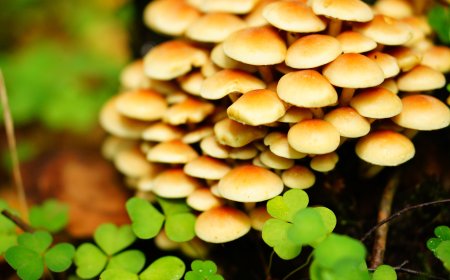
The plants around Everest Base Camp change a lot depending on the altitude and weather. At lower levels, youll find forests filled with rhododendrons, bamboo, and pine trees. As you climb higher, the landscape shifts to alpine meadows with junipers and yaks grazing. The tough alpine plants at higher elevations can survive harsh conditions, but only grow in small spots. Youll also see pretty wildflowers and moss in shaded areas along the trail. Knowing about this varied ecosystem makes the trek richer, as you see the plants that support local wildlife and communities.
Best Trekking Routes to Everest Base Camp
There are a few great trekking routes to Everest Base Camp, each giving you its vibe. The most popular starts from Lukla and takes you through Namche Bazaar, Tengboche, and Dingboche. This is the classic path most trekkers choose. Another choice is the Gokyo Lakes Trek, where youll get amazing views of Gokyo Lakes and hike up Gokyo Ri for stunning sights of the Himalayas. If you want to avoid crowds, the Jiri to Everest Base Camp route is longer but lets you see quiet villages and beautiful greenery before reaching Lukla. No matter which route you pick, youll see some breathtaking views, so choose based on what suits your trekking style.
Tips for Acclimatization on the Everest Base Camp Trek
Acclimatization is key to avoiding altitude sickness when trekking to Everest Base Camp. As you go higher, the oxygen gets thinner, which can be tough on your body. To acclimatize well, its important to take your time and have rest days at places like Namche Bazaar and Dingboche. A good rule is to hike higher during the day but sleep at a lower elevation. Drinking enough water, eating well, and taking it slow will help you adjust better to the thinner air. Always pay attention to how youre feeling, and if you notice any signs of altitude sickness, head back down right away.
Wildlife to Look For on the Everest Base Camp Trek
While trekking to Everest Base Camp, you might spot some incredible wildlife, from the elusive snow leopard to the bright Himalayan Monal, which is Nepals national bird. Lower down, you can see yaks and mules carrying supplies, along with animals like the Himalayan tahr and musk deer. Higher up, keep an eye out for rare creatures like snow leopards, red pandas, and blue sheep. Birdwatchers can enjoy spotting different types of birds, including the Danphe, a local pheasant. The variety of wildlife here shows how unique and balanced nature is in the Himalayas.
Picking the Right Gear for the Everest Base Camp Trek
Getting the right gear for your Everest Base Camp trek can make a difference in how comfortable and safe you are. Some essentials are sturdy, waterproof hiking boots that offer good support on tough trails. Wear layered clothing to handle changing temperatures, including moisture-wicking base layers, insulating layers, and waterproof jackets. A solid sleeping bag that keeps you warm in freezing temperatures is crucial, especially at higher altitudes. Trekking poles can help you stay balanced on steep paths, and a good backpack will carry your stuff easily. Dont forget things like water purifiers, headlamps, first aid kits, and sunscreen to keep you safe and well during your trek.
Understanding Sherpa Culture on the Everest Base Camp Trek
The Sherpa people are an important part of the Everest Base Camp trekking experience, offering help and insights into the local culture. Sherpas are skilled mountaineers, and many have supported climbs to Mount Everest. Along the way, youll see Buddhist monasteries, prayer flags, and stupas, which reflect their deep spirituality. Lots of Sherpa families run teahouses where trekkers are greeted with warm hospitality. Learning about their traditions, like yak herding and Buddhist customs, will enhance your experience and give you a greater appreciation for the local community that plays such a big role in the journey to Everest Base Camp.
What Plants Grow on Mount Everest?
Mount Everest has a variety of plant life that has adapted to tough living conditions. At the base, you can find vibrant rhododendron forests, oak trees, and pine trees that thrive in the milder climate. As you go higher, the vegetation becomes less dense, with alpine meadows filled with juniper shrubs and bamboo. Going even higher, where the air is thinner and the temperatures drop, you'll mostly see mosses, lichens, and small alpine grasses that can handle the cold. Above 5,000 meters, plant life dwindles significantly, and very few plants can withstand the freezing conditions and strong winds.
What About the Plants and Animals in Sagarmatha National Park?
Sagarmatha National Park, located in the Everest area, has a wide range of plants and animals. Youll find species like rhododendrons, pines, junipers, and other alpine plants that thrive in the high Himalayas. In the lower parts of the park, dense forests of oak, bamboo, and birch can be spotted. As you climb, the greenery becomes less frequent, shifting to alpine meadows and rocky landscapes. There's plenty of wildlife too, including Himalayan tahr, musk deer, snow leopards, blue sheep, and various birds like the Himalayan Monal. The park is recognized as a UNESCO World Heritage site because of its rich biodiversity and its importance in protecting these unique habitats.
Are There Animals at Everest Base Camp?
Yes, you'll see animals while trekking to Everest Base Camp, although they might be hard to spot due to the challenging landscape and heights. In the lower areas, yaks and mules are commonly used by locals and trekkers to carry goods. You might also see wild animals such as the Himalayan tahr, musk deer, and the national bird of Nepal, the Himalayan Monal, in the forests and meadows. As you climb higher, it's tougher to catch glimpses of wildlife, but snow leopards, mountain goats, and blue sheep are known to roam the higher altitudes. Birds like the Danphe, vultures, and eagles are also frequently seen along the trail.
Can Plants and Animals Survive on Mount Everest?
Even though Mount Everest is known for its harsh conditions, some plants and animals have found ways to survive, especially at lower altitudes. Around the base camp and nearby areas, youll find various plants like rhododendrons, junipers, and alpine grasses. However, as you go up and the oxygen levels drop, plant life becomes sparse, and only tough species like lichens and mosses can persist above 5,000 meters. Animal life is similarly limited due to the extreme conditions. You can find snow leopards, Himalayan tahr, and musk deer at lower elevations, but above 6,000 meters, wildlife is quite rare. The extreme cold, strong winds, and lack of oxygen at the summit make it nearly impossible for any plants or animals to live there.
In Summary
The plants and animals of Mount Everest Base Camp Trek Package and Sagarmatha National Park show how life can adapt to some of the toughest conditions on Earth. From the colorful rhododendron forests at lower altitudes to the barren landscapes above 5,000 meters, the plant life is diverse yet tough. Similarly, the area is home to animals like snow leopards, yaks, and Himalayan tahr that have adapted to high-altitude living. But the extreme environment at Everest's peak leaves little chance for survival, highlighting the challenges of this mountain. For trekkers, learning about this balance of life deepens the experience, enhancing appreciation for the areas natural beauty.