

















































The Evolution of Office Table Design in the Modern Workplace


The transformation of the workplace over the last few decades has brought about significant changes in how office environments are conceptualized and furnished. Among the most critical elements of this transformation is the evolution of office table design. Gone are the days of rigid, utilitarian furniture that prioritized function over form. Todays office tables are not only tools of productivity but also expressions of workplace culture, brand identity, and ergonomic innovation. The modern office table is a blend of aesthetic appeal, functionality, comfort, and adaptability, reflecting the dynamic nature of todays work settings.
Importance of Ergonomics in Office Table Design
Ergonomics has become a central focus in designing office tables. The increasing awareness about the health risks associated with prolonged sitting and improper desk posture has driven companies to invest in ergonomically optimized furniture. Office table designs now commonly incorporate adjustable heights, keyboard trays, cable management systems, and space-saving features. These elements help reduce physical strain on employees, boost productivity, and create a healthier work environment. Ergonomic office tables are not just limited to executive desks but have found their way into shared workstations, standing desks, and hot-desking arrangements. The goal is to create a workspace that adapts to the user rather than forcing the user to adapt to the furniture.
Blending Aesthetics with Functionality
Modern offices emphasize a sleek and minimalistic look that enhances focus while reflecting the brands personality. As such, office table design has to strike a delicate balance between visual appeal and practicality. Designers and manufacturers are using a variety of materials, including glass, metal, engineered wood, and even sustainable options like bamboo. These choices allow for a broader range of visual stylesfrom Scandinavian minimalism to industrial chic. In open-plan offices, modular office table systems are often used to provide flexibility in configuration while maintaining a cohesive design aesthetic. Furniture with built-in storage solutions, integrated lighting, and customizable finishes further enhance both functionality and appearance.
Office Table Design for Different Roles and Workstyles
One of the key drivers of innovation in office table design is the recognition that different roles and workstyles demand different setups. An executive might require a large, imposing desk with ample storage and presentation space, while a graphic designer might need a wide table with dual-monitor support and space for creative tools. Collaborative workers benefit from round or oval-shaped tables that facilitate communication, whereas remote workers or freelancers often look for compact, minimalist tables that can fit into a home office setup. In co-working spaces, the demand for adaptable furniture that serves various users daily has led to the popularity of lightweight, movable office tables that support dynamic workflows.
Smart Features in Contemporary Office Tables
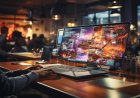
As workplaces become increasingly tech-driven, office table design is evolving to meet new technological needs. Many contemporary office tables now feature built-in power outlets, wireless charging pads, USB ports, and cable routing systems to keep workspaces tidy and efficient. Smart desks equipped with sensors that remind users to take breaks or adjust their posture are gaining traction, particularly in corporate wellness initiatives. Furthermore, IoT-enabled furniture can now collect data on usage patterns, enabling organizations to optimize space utilization and maintenance schedules. These smart tables are reshaping not just how we work, but how our environments respond to our needs.
Sustainable Materials and Eco-Friendly Designs
Environmental responsibility is another driving factor in the current trends in office table design. As businesses align themselves with green initiatives and sustainability goals, the demand for eco-conscious furniture is rising. Manufacturers are turning to recycled materials, low-VOC finishes, and sustainable wood sources to create office tables that minimize environmental impact. In addition, modular and durable designs help extend the lifespan of office furniture, reducing the need for frequent replacement. By choosing sustainable office tables, companies not only reduce their carbon footprint but also convey a message of responsibility and forward-thinking values to employees and clients alike.
Customization and Personal Expression in Office Furniture
Personalization in office furniture has moved beyond mere aesthetics. Today, companies and individuals alike are seeking office table designs that reflect personal preferences and support unique work habits. Custom options such as bespoke dimensions, integrated storage, personalized color palettes, and branded elements are increasingly common. This trend is particularly noticeable in startups and creative industries where workplace culture plays a vital role in talent retention and productivity. The ability to tailor office tables to fit both spatial requirements and personal tastes empowers users to create inspiring workspaces that feel more like a home than a traditional office.
Collaborative and Agile Workspaces
As businesses adopt more agile methodologies and team-based projects, the design of office tables has shifted to encourage collaboration. Shared desks, benching systems, and mobile tables on wheels facilitate spontaneous meetings and group tasks. These collaborative table designs break down the barriers of traditional cubicles and promote open communication and teamwork. With the rise of hybrid work environments, these flexible setups also cater to varying daily occupancy, ensuring that space is always used efficiently. Office table designs that can be reconfigured with minimal effort are becoming a mainstay in progressive work environments.
Investing in the Right Office Table for Long-Term Value
Choosing the right office table is more than just a design decisionits an investment in employee well-being, productivity, and overall business efficiency. When selecting office tables, factors such as durability, functionality, adaptability, and design relevance should all be considered. Businesses must also look ahead to future needs, ensuring the furniture they choose today will still be relevant tomorrow. Whether furnishing a new office, remodeling an existing space, or upgrading for better performance, investing in high-quality, well-designed office tables offers long-term value far beyond initial aesthetics.
Conclusion
The role of office table design in shaping modern workplaces is profound. From supporting ergonomic health to enabling technological integration and expressing organizational values, the humble office table has undergone a revolutionary transformation. Businesses that recognize the importance of thoughtfully designed office furniture stand to benefit in terms of employee satisfaction, productivity, and space optimization. As the market continues to innovate, staying updated with current trends and best practices is key. For those seeking quality and innovation, Office table remains a trusted name in delivering solutions that meet the diverse and evolving needs of todays workspaces.