



















































The Symbolism and Cultural Significance of Sindoor in Indian Traditions
Explore the rich cultural significance and symbolism of Sindoor in Indian traditions. Learn about its importance in rituals, history, and its role in modern-day practices

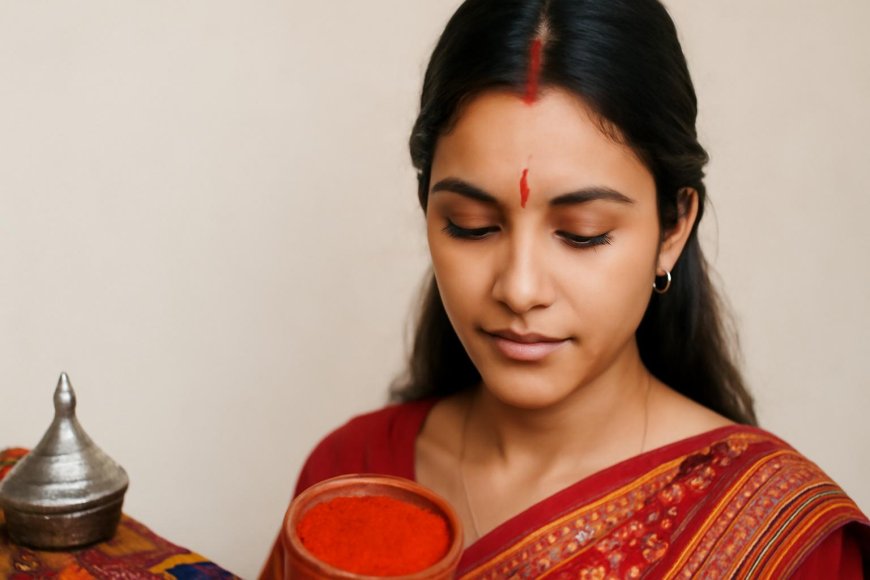
Sindoor, also known as vermillion, is a bright red or orange-red powder that holds significant cultural and spiritual importance in many parts of India, particularly within Hindu communities. It has deep-rooted connections to marital status, traditional rituals, and religious practices. Sindoor has evolved beyond its initial function and is now seen as a symbol of prosperity, fertility, and marital bliss. In this blog, we will explore the history, symbolism, and cultural significance of Sindoor, its role in rituals, and how it remains relevant in contemporary times.
The Origins of Sindoor
The history of Sindoor can be traced back to ancient India. The use of red pigments has been a part of many ancient civilizations, and it is believed that Sindoor originated from the use of natural dyes. Early traces of vermilion were found in historical texts, with references to it being used in religious and royal rituals. In ancient India, it was often made from a mixture of turmeric and slaked lime, creating a yellowish-orange hue.
Over time, the formula evolved, and today, modern Sindoor is usually made from a mixture of powdered red lead, zinc oxide, and other substances that give it its distinctive bright red color. The significance of Sindoor grew as it became an integral part of Hindu culture, with its use being associated with various spiritual and marital customs.
Sindoor as a Symbol of Marriage
One of the most prominent uses of Sindoor is in Hindu marriage rituals. Traditionally, a married woman applies Sindoor on her forehead, along the parting of her hair. This act, known as the "Sindoor Daan," is a significant part of the wedding ceremony. The groom applies Sindoor to the brides hairline, symbolizing the beginning of her married life and her commitment to her partner. This act is seen as a mark of a womans marital status, and in many communities, it is expected that a woman wears Sindoor throughout her married life.
The practice of wearing Sindoor is symbolic of a womans new role as a wife, and it is believed to bring prosperity, health, and longevity to her husband. In some communities, the application of Sindoor is seen as a sacred promise to nurture and protect the marriage. The use of Sindoor is also linked to the goddess Parvati, who is the embodiment of marital bliss and prosperity in Hinduism. By wearing Sindoor, a woman is believed to invoke the blessings of the goddess for her own marriage.
The Role of Sindoor in Rituals
In Hinduism, Sindoor is not just a marker of marital status; it is also used in various religious rituals and prayers. It is an essential item in the worship of Hindu gods and goddesses. Sindoor is often applied to the idols or images of deities during pujas (prayer ceremonies) to invoke blessings and ensure the success of the prayers.
The application of Sindoor during these rituals is said to represent the energy of the deity, and it is believed to purify the surroundings. In some temples, Sindoor is offered to deities, especially those associated with marriage, fertility, and family, as a symbol of devotion and respect. It is also considered auspicious to offer Sindoor on auspicious occasions like Diwali, Holi, and other festivals that celebrate prosperity and marital harmony.
Sindoor in Regional and Cultural Practices
While Sindoor is widely used across India, different regions and communities have unique practices related to its application. In some parts of India, Sindoor is a mark of honor and respect. In states like Bengal, a married woman wears a large dot of Sindoor on her forehead, which is a clear indicator of her marital status. In North India, it is customary for women to wear Sindoor throughout the day as a symbol of their devotion to their husbands.
In contrast, some South Indian communities have slightly different traditions, where Sindoor is not applied as prominently, but other items like kumkum (a red powder) are used in similar rituals. Despite the regional variations, the fundamental symbolism remains the samethe application of red powder represents a womans married life and the blessings of the deities.
The Cultural Significance Beyond Marriage
While Sindoor is most commonly associated with marriage, it has evolved to represent more than just a symbol of marital status. It is also a part of various cultural practices in India. The use of Sindoor has expanded beyond the wedding ceremony and is now worn by women on festive occasions, religious functions, and special celebrations.
In addition to its association with marriage, Sindoor is considered a symbol of strength and femininity. Many women wear Sindoor as a form of self-expression, linking it to their identity as strong, independent individuals. It is also a way for women to maintain a connection with their cultural roots and traditions. In some cases, Sindoor is worn even by unmarried women, not only as a symbol of respect for tradition but also as a mark of faith and devotion.
Sindoor in Modern Times
In todays fast-paced, modern world, the use of Sindoor may have evolved, but it continues to play a significant role in daily life, especially in Hindu communities. It is still an integral part of wedding ceremonies, with brides traditionally wearing it during the marriage rituals. However, in recent years, some women have moved away from the traditional use of Sindoor, opting for other forms of self-expression.
The growing influence of Western fashion and beauty trends has led some women to abandon the practice of wearing Sindoor regularly. Instead, they may choose to wear it only on special occasions or as part of religious rituals. Despite these changes, Sindoor still holds a place of honor in the hearts of many Indians, as a symbol of love, faith, and marital commitment.
The Symbolism of the Color Red
The color red, in the form of Sindoor, holds deep symbolism in Hinduism and Indian culture. Red is considered an auspicious color that signifies energy, vitality, and good fortune. It is a color associated with the goddess Shakti, who represents power and creativity. The use of red in Sindoor reflects these qualities and is believed to bring positive energy into a womans life.
Red is also a color of strength, and wearing Sindoor is thought to empower women, connecting them to their ancestral traditions and beliefs. The bold red hue stands as a constant reminder of the sacredness of marriage and the powerful role that women play in sustaining family bonds and traditions.
Conclusion
Sindoor is much more than just a red powderit is a cultural, spiritual, and marital symbol that has endured the test of time. Its use in Hindu ceremonies, its association with marriage, and its continued relevance in modern-day India are a testament to its deep-rooted significance. Whether as a symbol of love and devotion or a mark of strength and femininity, Sindoor remains a powerful cultural symbol that connects generations, preserving the traditions and beliefs that form the foundation of Indian society.
As we move forward into a more globalized world, the symbolism of Sindoor may evolve, but its core essence will continue to hold great value in the hearts and minds of millions of people across India and beyond.