













































Virtual Reality's Role in Safer Mining Operations
Discover how virtual reality is transforming safer mining operations with immersive training, reduced incident rates, and site-specific risk simulations.

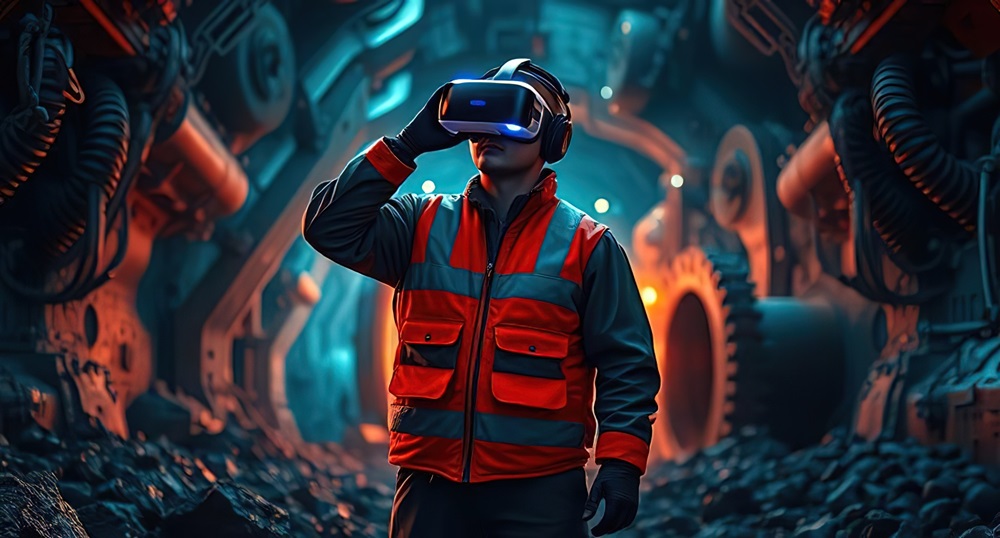
Mining has always been a demanding profession. From unstable terrains to high-risk machinery, the challenges are both physical and mental. Safety protocols have evolved over the years, but 2025 brings a new kind of solution to the table: virtual reality (VR).
This isnt science fiction or a training gimmick. VR safety training is now becoming an integral part of how mining companies prepare their teams for real-world dangers.
Why Traditional Training Has Its Limits
Conventional training often struggles to replicate the extreme conditions of mining. Manuals, classroom sessions, and even physical mockups can fall short when it comes to:
-
Simulating hazardous environments realistically
-
Providing muscle memory for emergency responses
-
Adapting training to different experience levels
These limitations can lead to gaps in readiness, especially among newer workers who haven't faced dangerous scenarios firsthand.
Enter VR: A Smarter Way to Prepare
Virtual reality in mining industry training modules changes the game. Instead of imagining a fire outbreak or tunnel collapse, workers can walk through those situations virtually.
Key benefits of VR safety training include:
-
Realistic scenario-based learning: Workers experience actual hazards without physical risk.
-
Repeatability: Complex emergency drills can be practiced as many times as needed.
-
Customizable content: Training is tailored to site-specific risks.
-
Objective performance tracking: Trainers receive real-time data on decision-making and response time.
"You cant afford to wait until something goes wrong to see how someone reacts. VR lets you find out before its too late."
Operations Head, Leading Mining Firm in Australia
How Virtual Reality Improves Safety Metrics
Lets talk results. A 2024 report from the International Council on Mining and Metals found that companies implementing VR safety programs reduced incident rates by 32% over 18 months. Another study by the CDC noted that retention rates for VR-trained personnel were 40% higher than traditional training methods.
| Metric | Traditional Training | VR Safety Training |
|---|---|---|
| Retention Rate | 55% | 77% |
| Incident Rate Reduction | 12% | 32% |
| Training Time per Worker | 6 hours | 3.5 hours |
Use Cases in Real-World Mining Operations
-
Underground Fire Scenarios: Workers practice evacuation protocols in realistic virtual mines filled with dynamic smoke and heat effects.
-
Equipment Handling: Virtual simulations teach proper handling of heavy machinery like drills and haulers.
-
Structural Integrity Checks: Engineers are trained to spot signs of potential cave-ins or tunnel failures.
-
Team Communication Drills: Multilingual VR sessions help crews practice clear, time-sensitive coordination.
Implementation Doesnt Have to Be Complex
Many assume that setting up VR labs is costly and technically challenging. But with modern plug-and-play VR solutions, mining companies can:
-
Use mobile VR kits at remote sites
-
Integrate existing training content into VR modules
-
Start with off-the-shelf scenarios and build custom simulations over time
In fact, companies that piloted VR safety training reported ROI within 8 to 12 months, largely due to fewer safety incidents and quicker onboarding.
Looking Ahead: AI + VR in Mining Safety
The future points toward AI-enhanced VR, where systems can analyze each workers behavioral patterns and provide personalized feedback. Instead of one-size-fits-all training, miners will receive:
-
Alerts on areas of weakness
-
Practice sessions adapted to their pace
-
Automated assessments after every session
Conclusion
Safer mining operations arent just about wearing helmets and following rules. Theyre about how well-prepared your teams are when the unexpected hits. Virtual reality brings a level of readiness that no other tool currently matches.
For industrial leaders serious about reducing downtime, protecting lives, and staying compliant, investing in VR safety training is more than a smart moveits a necessary one.