












































What Is a Testicular Varicocele? Causes, Symptoms, and Treatment
Discover the connection between intense gym workouts and varicocele. Learn about causes, symptoms, treatments, and how to protect your testicular health naturally.

Introduction
Varicocele is a condition thats often misunderstood, especially among young men who are active, fitness-conscious, and hit the gym regularly. You might have heard of it in passing or noticed symptoms like discomfort or heaviness in your scrotum but didnt connect the dots. If youre someone who lifts weights or does heavy workouts and wonders if theres a link between gym routines and varicocele testicular issues, youre in the right place. Lets explore whether working out can actually lead to varicocele and what you need to know to keep your health in check.
Understanding Varicocele
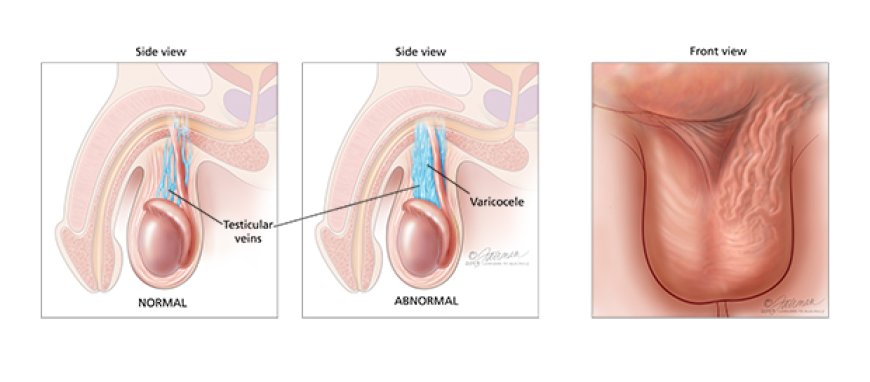
A varicocele is essentially an enlargement of the veins within the scrotum, similar to varicose veins that occur in the legs. These veins, called the pampiniform plexus, help regulate blood flow to and from the testicles. When these veins become enlarged due to poor valve function or increased pressure, blood begins to pool, causing swelling and discomfort.
Varicocele usually occurs on the left side due to anatomical reasons but can affect both testicles in rare cases. It can develop during puberty and is more common in men aged 15 to 25. Surprisingly, a large number of men may have varicocele without even knowing it, as it often presents with few or no symptoms.
Does Hitting the Gym Cause Varicocele?
The short answer: not directly but certain workout routines and conditions can increase the risk or worsen an existing varicocele.
Heavy lifting, strenuous abdominal exercises, or workouts that raise intra-abdominal pressure can aggravate the venous system in the scrotum. Over time, this can contribute to the development or progression of a varicocele.
Here's how it happens:
-
Increased intra-abdominal pressure: Exercises like deadlifts, squats, and intense core workouts push blood toward the lower body, straining the valves of the testicular veins.
-
Poor form or breath-holding (Valsalva maneuver): Holding your breath while lifting heavy weights can temporarily spike pressure in the abdomen, affecting venous return from the testicles.
-
Tight gym wear: Clothing that restricts blood flow or increases heat in the groin area may also contribute to discomfort and worsen symptoms.
That said, not every gym-goer will develop a varicocele. Genetics, vein structure, and overall vascular health play a significant role.
What Is a Testicular Varicocele? Causes, Symptoms, and Treatment
To better understand the condition, its important to dive deeper into what is a testicular varicocele? Causes, symptoms, and treatment so lets break it down:
Causes of Varicocele
-
Faulty valves: When valves in the spermatic cord fail, blood doesnt flow efficiently, leading to pooling and vein swelling.
-
Increased pressure: Chronic pressure in the lower abdomen due to obesity, constipation, or heavy lifting can contribute.
-
Anatomical factors: The left testicular vein enters the kidney vein at a 90-degree angle, making it more prone to pressure buildup.
Common Symptoms
-
A dull ache or pain in the scrotum, especially after standing or exercising.
-
A visible or palpable bag of worms texture near the testicles.
-
Testicular atrophy (shrinking) in some cases.
-
Fertility issues varicocele is one of the leading causes of male infertility.
Treatment Options
Most cases dont require surgery unless theres pain, testicular damage, or infertility. Options include:
-
Lifestyle changes: Avoiding heavy lifting, wearing supportive underwear, staying hydrated, and avoiding prolonged standing.
-
Medications: Anti-inflammatory drugs or pain relievers can help reduce discomfort.
-
Surgical options: Varicocelectomy (open surgery or laparoscopic) or embolization (a minimally invasive procedure) for severe cases.
Safe Gym Practices to Prevent or Manage Varicocele
While you dont need to stop going to the gym, its wise to make adjustments if youre concerned about varicocele or have been diagnosed with one.
Tips for Safe Workouts:
-
Avoid very heavy lifting: Especially exercises that require straining.
-
Dont hold your breath: Use controlled breathing during lifts.
-
Strengthen your core wisely: Avoid overexertion or exercises that put extreme pressure on your abdomen.
-
Listen to your body: If you feel heaviness or discomfort after workouts, dont ignore it.
-
Stay cool: Overheating in the groin can affect blood flow and sperm quality.
When to See a Doctor
Mild varicocele may go unnoticed for years, but if you experience any of the following, its time to consult a healthcare professional:
-
Persistent scrotal pain or discomfort
-
Swelling that seems to worsen after activity
-
Difficulty with fertility
-
A visible mass in the scrotum
At Flowcare, we offer personalized consultations and treatment plans tailored to your lifestyle and symptoms. Whether youre an athlete, fitness enthusiast, or just someone concerned about reproductive health, our experts can guide you toward the best solutions.
FAQs About Varicocele and Fitness
1. Can varicocele heal on its own?
Minor varicoceles may not worsen and can be managed conservatively, but they dont typically heal without treatment.
2. Is cycling bad for varicocele?
Long-distance cycling can aggravate symptoms due to constant pressure on the groin. Use padded shorts and take breaks.
3. Can I still work out with varicocele?
Yes, but avoid heavy lifting and exercises that strain your core. Focus on low-impact routines like swimming, walking, or yoga.
4. Does varicocele affect testosterone?
In severe cases, it can impact testosterone levels and sperm production, but many men with varicocele maintain normal hormone levels.
5. Is surgery the only solution?
Not always. Surgery is considered if symptoms are severe, fertility is affected, or lifestyle changes dont help.
Conclusion
While hitting the gym doesnt directly cause varicocele, certain exercises and habits may worsen or trigger symptoms in men who are predisposed. Understanding how your body reacts to physical stress is key to maintaining both your fitness and reproductive health.
If you suspect you might have a varicocele or are feeling discomfort during workouts, dont ignore it. Early intervention, lifestyle changes, and the right medical advice can make a huge difference.
To dive deeper into the medical background of the condition, dont miss our detailed article on What Is a Testicular Varicocele? Causes, Symptoms, and Treatment. Its a great resource to understand whats happening inside your body and how to tackle it effectively.