




















































Revolutionising Knee Replacement: The Impact of Advanced Technology
Explore how advanced technology is transforming knee replacement surgery with precision tools, robotics, and better recovery outcomes.


Knee replacement surgery has long been a crucial intervention for individuals suffering from chronic joint pain, osteoarthritis, and degenerative knee conditions. With the ageing population and increased physical demands on joints, more patients are now opting for knee replacement earlier in life. However, traditional surgical methods are not without their limitations, often resulting in issues related to alignment, implant wear, and recovery time. Fortunately, modern technological advancements are transforming the way these procedures are performed, offering greater precision, faster recovery, and long-lasting results.
Understanding Traditional Knee Replacement Surgery
Nevertheless effective, the surgical procedure's outcome is largely determined by the surgeon's ability and expertise. Implant implantation errors, severe tissue damage, and misalignment discrepancies can all lead to problems and a longer recovery time. Many patients experience prolonged pain or require revision surgeries due to misalignment or implant loosening. These challenges have made room for innovation, driving the development of more precise, patient-specific solutions.
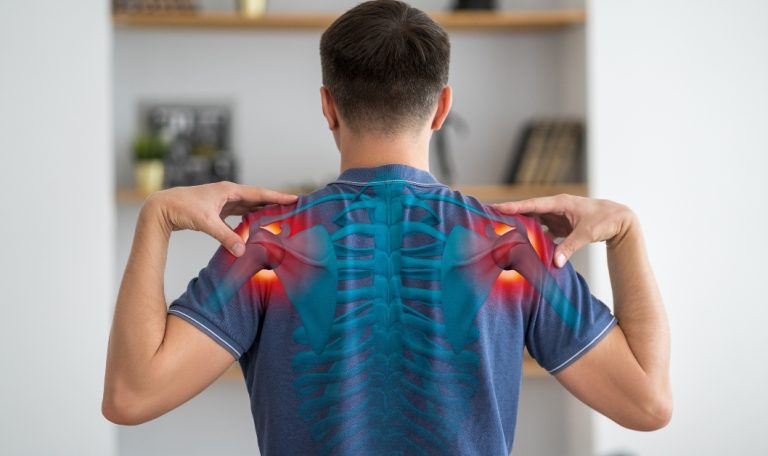
Key Technological Innovations in Knee Replacement
Advanced technologies are now revolutionising knee surgery by enabling surgeons to plan, visualise, and execute procedures with exceptional accuracy. Lets explore the core innovations reshaping the field:
Computer-Assisted Orthopaedic Surgery (CAOS)
CAOS integrates real-time imaging and navigation tools that provide detailed intraoperative feedback. This enables the surgeon to monitor and adjust during the procedure, enhancing accuracy in implant positioning. With better alignment and positioning, patients report higher satisfaction levels and better long-term outcomes. Many individuals seeking thebest knee replacement surgeon in Ahmedabadnow prefer centres equipped with this technology.
Robotic-Assisted Knee Surgery
Robotic systems such as Mako and NAVIO assist surgeons by creating a virtual 3D model of the patient's knee. This model aids in pre-operative planning and directs the robotic arm during surgery, allowing for extremely exact bone cuts and implant placements. The result is improved joint alignment and reduced risk of human error. Patients typically benefit from smaller incisions, less blood loss, and a faster rehabilitation process.
Patient-Specific Instrumentation (PSI)
Patient-specific instrumentation involves using CT or MRI scans to create custom surgical guides tailored to a patients unique anatomy. These cutting blocks improve the precision of bone resection and implant placement, reducing surgical time and improving consistency across cases. PSI also minimises soft tissue trauma and ensures better balancing of the knee joint, which significantly enhances mobility post-surgery.
3D-Printed Knee Implants
This technology reduces the risk of implant rejection and increases comfort and longevity. It is particularly useful for younger or more active patients who need enhanced joint functionality. The best orthopedic surgeon in Ahmedabad often incorporates such innovations to achieve personalised care and optimal outcomes.
Benefits of Technology-Driven Knee Replacement
Technology incorporation into the procedure for knee replacement offers numerous benefits, including:
- Advanced technology allows for highly accurate implant positioning, which minimises alignment errors and surgical risks, ultimately improving prosthetic performance and boosting overall patient satisfaction.
- The use of minimally invasive tools and real-time guidance significantly shortens hospitalisation periods and speeds up recovery, enabling patients to resume their normal activities much sooner than traditional methods.
- Enhanced surgical control and smaller incisions lead to significantly reduced blood loss during the procedure and result in less post-operative pain, making the entire experience more comfortable for patients.
- With better precision and durable implant placement, patients benefit from longer-lasting results and fewer complications, which means a significantly lower likelihood of needing revision surgery in the future.
- Improved joint alignment and soft tissue preservation contribute to greater flexibility and joint mobility, allowing patients to regain independence and return to their daily lifestyle with increased ease and confidence.
Challenges and Considerations
While advanced knee replacement technologies offer clear advantages, they are not without challenges:
- The significant upfront investment required to purchase robotic surgical systems and advanced software often makes these technologies unaffordable for smaller hospitals and clinics, limiting widespread availability.
- Surgeons accustomed to conventional knee replacement techniques may face a steep learning curve when adopting robotic-assisted methods, requiring time, training, and experience to operate them with full confidence.
- Despite the benefits, not every patient qualifies for robotic or customised procedures due to factors such as bone deformities, prior surgeries, or complex anatomical variations that may limit suitability.
- Many insurance providers do not yet offer comprehensive reimbursement for advanced surgical technologies, resulting in patients having to cover part of the procedure cost themselves, which may deter access.
Patients are advised to consult with their surgeon to understand the most suitable approach and discuss associated costs and benefits. For detailed pricing and treatment options, patients can visit website.

Impact and Clinical Evidence
Several studies have shown that robotic and computer-assisted surgeries result in better functional outcomes compared to traditional methods. For instance, patients undergoing robotic knee replacement report lower pain scores and earlier achievement of mobility milestones. In clinical practice, surgeons using these technologies have demonstrated improved consistency, particularly in complex cases or those involving previous joint deformities.
Furthermore, top institutions worldwide are now adopting these tools to deliver patient-centric care. Patients actively seek out hospitals and professionals offering robotic-assisted procedures, making terms like best knee replacement surgeon in Ahmedabad andbest orthopedic surgeon in Ahmedabadpopular search queries among patients in Gujarat.
The Future of Knee Replacement Surgery
The future of knee replacement lies in further integration of artificial intelligence, real-time data analytics, and smart implants. AI algorithms may soon predict joint degeneration patterns and recommend preventive strategies or optimal surgical timings. Smart implants embedded with sensors will allow post-operative tracking of joint health, motion range, and implant wear, helping surgeons monitor long-term outcomes remotely.
- Minimally invasive knee replacement and same-day discharge options are becoming increasingly popular as they reduce hospital stays, optimise medical resources, and provide greater comfort and convenience for patients.
- With rapid advancements in medical technology, patients can look forward to knee replacement procedures that are not only more efficient and personalised but also offer long-term durability and improved quality of life.
Conclusion
Technology has undoubtedly revolutionised the landscape of knee replacement surgery, transforming outcomes and enhancing patient satisfaction. By combining surgeon expertise with robotic precision, 3D planning, and custom implants, modern orthopaedics is reaching new heights of safety and effectiveness. Patients in Gujarat seeking reliable care can benefit from these advances by choosing experienced professionals who stay at the forefront of surgical innovation. If you are looking for expert consultation and advanced care, Dr. Meet Mehta offers cutting-edge orthopaedic services tailored to your needs.